Blog | LuxLiving

What Can Dh1 Million Buy in Dubai’s Booming Property Market?

Dh1 million

A Smart Investor’s Guide

If you’re working with a budget of Dh1 million (approximately $270,000), you might be wondering where that money will go furthest in today’s real estate market. The answer? Dubai. The country where value, luxury, and potential for strong returns converge in one of the fastest-growing property markets on the planet.

Dubai’s real estate sector is in full bloom. House prices and rents are rising steadily, and the city continues to attract both residents and investors seeking high-quality living spaces and rewarding investment opportunities.

How Far Does Dh1 Million Go in Dubai?

Let’s start with the basics. For Dh1 million, you can secure a modern two-bedroom apartment in many areas of Dubai, often with access to amenities like swimming pools, gyms, and private parking. In more central or upscale locations, a one-bedroom apartment of high quality is still within reach.

In Dubai, you can still find a stylish one-bedroom unit in prime neighborhoods, or if you venture slightly further out, a spacious two-bedroom can be yours with impressive facilities. But if you try getting the same in London for that price, you’d be lucky to be able to afford a parking space within this budget after cutting down the taxes.

Global Comparison: How Dubai Stacks Up Against Major Cities

How does Dubai compare to international cities? Here’s a snapshot:

  • Hong Kong: A 212 sq ft apartment in a basic tower block.
  • Paris: About 205 sq ft in a modest eighth-floor unit.
  • New York: A 950 sq ft two-bedroom in the Bronx, often viewed as less desirable.
  • Tokyo: Around 347 sq ft in Bunkyo-Ku, outside the city center.

In contrast, Dubai delivers larger, better-equipped homes, often in newer buildings and better communities, for the same price.

In Dubai’s Competitive Market: The Price Per Square Foot

According to Global Property Guide:

  • Dubai: Dh1,608.64/sq ft
  • Hong Kong: Dh8,046.88/sq ft
  • Paris: Dh3,527.43/sq ft
  • London: Dh3,447.62/sq ft
  • New York: Dh1,862.06/sq ft

It’s very clear and evident that Dubai offers superior value in terms of space and luxury compared to other global markets.

Dubai: From Emerging to Established

Dubai’s real estate landscape has matured significantly over the past decade. Once seen as a speculative hotspot, the city is now a stable, investor-friendly environment with strong infrastructure and well-regulated property laws.

Dubai is no longer a risky market, it’s internationally recognized and trusted. With many companies relocating their headquarters here, and international brands establishing their presence, it’s a sophisticated market with long-term potential.

Addressing Durability and Construction Quality

If you are concerned about property durability in Dubai, you won’t be surprised that they are often overstated. Buildings appear to age quickly only because new developments are constantly rising around them. The truth is that Dubai’s construction standards are high, with many top-tier developers delivering premium builds.

The Demand of Dubai Is Global

The city’s appeal isn’t limited to regional buyers. A research reveals that Dubai continues to attract investors from across Europe, North America, and Asia-Pacific. Its relatively low price per square foot, modern infrastructure, and favorable tax environment are key drivers of demand.

Compared to global cities like Tokyo, New York, or London, Dubai offers excellent value. Its design-focused communities, minimal taxation, and strong rental yields make it one of the most cost-effective and attractive property markets today in the world.

Investment Potential and Capital Growth in Dubai

Dubai Land Department reports that average capital values in Dubai increased by 6.8% last year. Only a handful of cities, such as Madrid, Amsterdam, and Tokyo, matched or exceeded that growth. With supply continuing to expand and demand remaining high, Dubai’s market is balanced for continued upward momentum.

Dubai offers exceptional value due to its lower space constraints and significant room for urban expansion. Compared to more saturated cities like Hong Kong or London, Dubai still has a long runway for growth.

Final Thoughts: Why Dubai Makes Sense for Smart Buyers

Dh1 million still carries significant purchasing power in Dubai, offering access to modern, spacious, and amenity-rich properties in a thriving, business-friendly city. Compared to its global peers, Dubai stands out for its affordability, lifestyle benefits, and long-term investment prospects.

Whether you’re a first-time buyer, a seasoned investor, or simply someone seeking better value for your money, Dubai should be at the top of your list. The city isn’t just booming, it’s building a future you can own.

So, if you’re thinking about investing in real estate, now’s the time because Dubai’s market is thriving day over day. Follow LuxLiving to stay informed about real estate market insights.

Dubai Rents: Know How to Negotiate an Unfair Rental Hike!

Dubai Unfair Rental Hikes

If you’ve just received an unfair rental hike notice in Dubai and feel like your landlord is trying to pull a fast one on you, don’t panic! You’re not alone. Surely, Dubai’s rental market can be as unpredictable as a sandstorm, but thankfully, the government has put measures in place to protect tenants from unreasonable rent increases.

The key here is understanding the rules, using the Dubai Rental Index, and negotiating like a boss. By knowing your rights and using smart negotiation tactics, you can push back against unjustified rent hikes and secure a fair deal. So, let’s break it down and see precisely how Dubai’s legal framework protects tenants like you.

Dubai Rental Laws: Let’s Understand Regulations on Rent Increases

Before you start drafting a strongly worded email to your landlord, you need to know your rights. Dubai’s rental laws are crystal clear when it comes to how much your rent can increase.
Under Article No. (43) of 2013, landlords can only increase rent based on the average rental value of similar properties in your area. Here’s how it works:

  • There is no increase if your rent is up to 10% below the average rental value.
  • 5% increase if your rent is 11-20% below the average.
  • 10% increase if your rent is 21-30% below the average.
  • 15% increase if your rent is 31-40% below the average.
  • 20% increase if your rent is more than 40% below the average.

The numbers don’t lie! If your rent is already in line with market rates, your landlord can’t just randomly increase it.

How to Use the RERA Smart Rental Index to Your Advantage

Dubai has made it super easy for tenants to check if their landlord’s rent increase is fair.

Here’s how to check your rent using the RERA Index:

  1. Visit the Dubai Land Department (DLD) website.
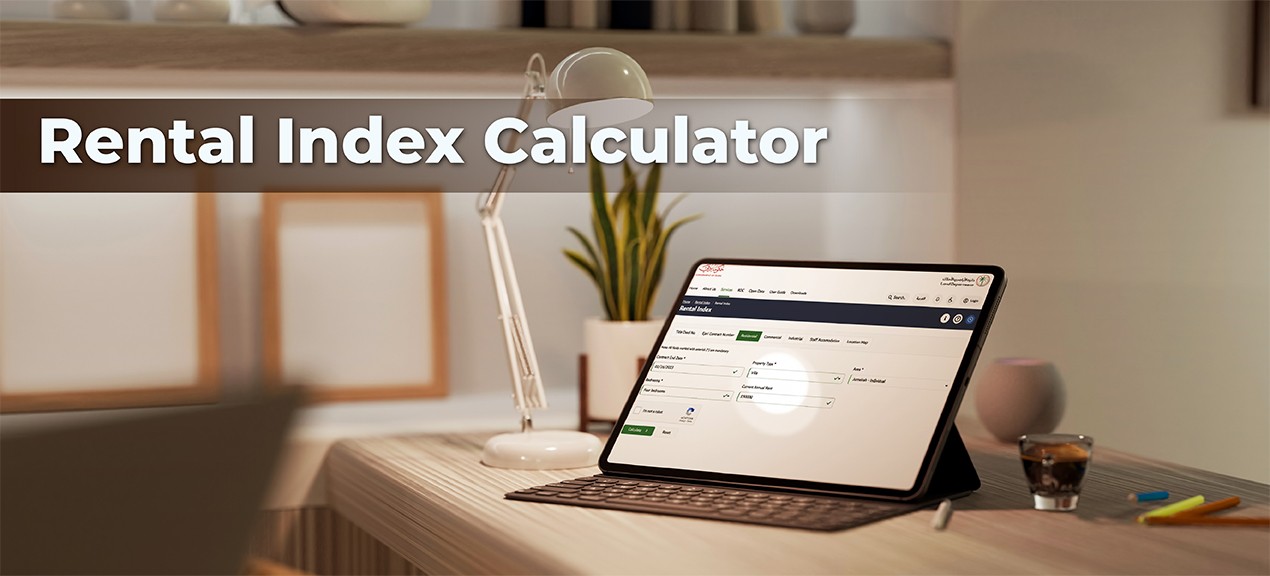
  2. Navigate to the ‘Rental Index Calculator’ section.
  3. Enter your property details (location, type, and current rent).
  4. The system will tell you whether your landlord can increase your rent and by how much.

If the calculator says, “No increase allowed,” print it out and hand it to your landlord, like a mic-drop moment.

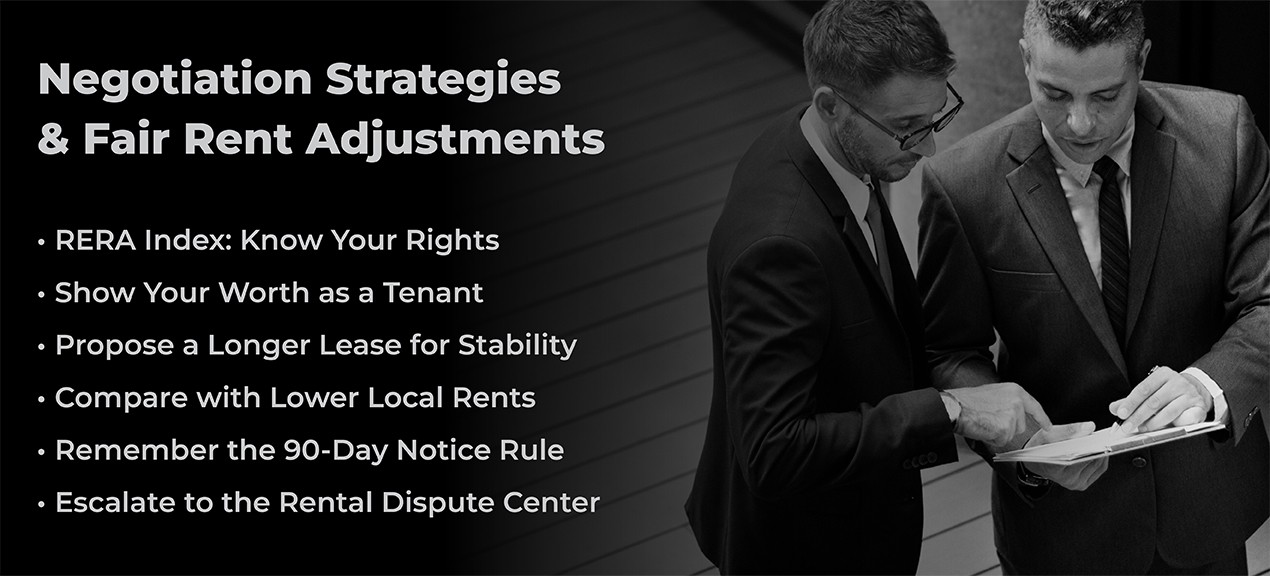
Practical Negotiation Strategies for Fair Rent Adjustments

Alright, now that you’ve done your homework, let’s talk negotiation strategies. Here’s how to push back on an unfair rent hike:

1. Show Them the Data

If the RERA Index says the rent shouldn’t increase, use it as your benefit. And politely (but firmly) inform your landlord that the law is on your side.

2. Highlight Your Value as a Tenant

Good tenants are like gold dust! Remind your landlord if you’ve always paid your rent on time, maintained the property well, and haven’t caused any headaches. A stable, responsible tenant is better than risking vacancy.

3. Offer to Sign a Longer Lease

Landlords hate uncertainty. If you’re willing to sign a 2-year lease, they might reconsider increasing the rent, as they’ll have guaranteed income for a longer period.

4. Point Out Market Trends

If nearby properties are renting for less than your landlord demands, show them listings from websites like Bayut, Dubizzle, or Property Finder. Use real numbers to strengthen your case.

5. Mention the 90-Day Notice Rule

By law, landlords must give a written 90-day notice before increasing rent. If they fail to do this, they legally cannot raise your rent at renewal time.

6. Escalate the Matter to the Rental Dispute Center (RDC)

If your landlord refuses to budge despite clear evidence, you can file a complaint with the Rental Dispute Center (RDC) in Dubai. Sometimes, just mentioning the RDC is enough to make them reconsider.

What to Do if You’re Stuck with a Higher Rent

Let’s say, despite your best efforts, your landlord refuses to negotiate. What now?

  • Consider moving. You might find a better deal elsewhere if the new rent is far above market rates.
  • Look for rental incentives. Some landlords offer free months of rent, maintenance perks, or lower security deposits to attract tenants.
  • Negotiate for added benefits. If you must accept a higher rent, ask for an included maintenance package, free parking, or rent payment flexibility in return.

Final Thoughts: Know Your Rights and Stay Smart

Dealing with rent hikes in Dubai doesn’t have to feel like a battle. With the right knowledge, the RERA Rental Index, and a bit of strategic negotiation, you can protect yourself from unfair increases and ensure you’re paying a fair market rate.
If you ever find yourself in a rental dispute, remember that Dubai’s laws favor transparency and fairness, and you always have legal options.
Visit our website for more updates, news, and expert tips on renting in Dubai.

Dubai Real Estate Update: DLD’s 90-Day Rule for Rent Hikes!

Dubai rent hikes rule

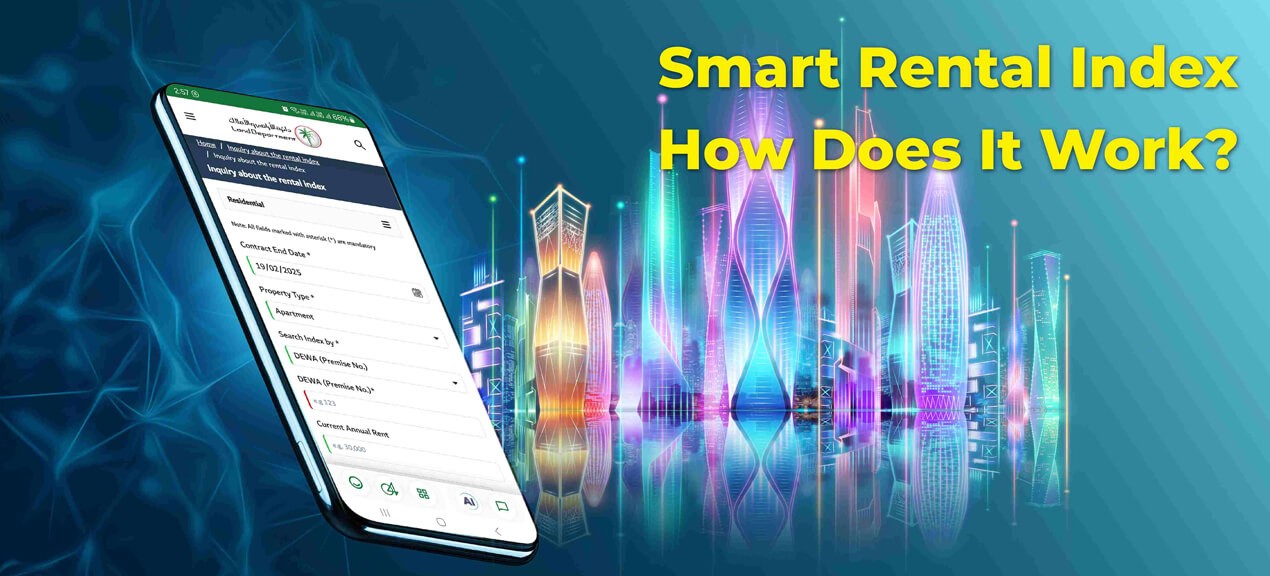
Dubai’s real estate market is heating up in 2025, but don’t worry. Your rent bill won’t set the city on fire just yet! The Dubai Land Department (DLD) has rolled out a new 90-day notice requirement for landlords planning to increase rent. And yes, if they forget to send that notice, you might just dodge a price hike!

With the Smart Rental Index stepping in as the new sheriff of rental pricing, the days of unexpected rent increases are numbered. But how does this work, and what does it mean for you? Let’s see!

Why Is Dubai’s DLD Cracking Down on Rent Increases?

Dubai is known for its jaw-dropping skyscrapers, luxury lifestyles, and wild rental price fluctuations. To keep things fair and curb inflation, DLD has introduced an AI-driven Smart Rental Index that sets rent adjustments based on key factors like:

  • Current contract value
  • Building classification
  • Market trends across different areas

Here, the goal is to create a transparent, data-driven rental market where both landlords and tenants have clarity and freedom. Hopefully, after this initiative, there will be fewer surprises when rent renewal time comes around.

The New 90-Day Notice Rule: What is it?

Previously, landlords had a bit more freedom when it came to rent hikes, but as of 2025, they must officially notify tenants 90 days before the contract renewal if they plan to increase the rent.

What happens if they forget?

Well, dear tenants, that means no rent hike for you! If the landlord fails to send the notice in time, they cannot implement the increase. No matter what the new rental index says

This rule is part of a larger initiative by the Dubai Land Department to create a more stable, predictable rental market. It also gives tenants more time to budget, negotiate, or even decide to stay or move elsewhere.

What If Your Lease Was Renewed Before 2025?

Now, here’s where things get a little technical:

  • If your lease was renewed before 2025, it still follows the old rental index.
  • But if your lease comes up for renewal in 2025, it will now be subject to the new Smart Rental Index.

Essentially, if you signed your contract before 2025, you’ve got a bit of breathing room. But if you’re entering a new lease agreement, the AI-powered rental pricing will determine your next move.

How Does the Smart Rental Index Work?

Dubai’s real estate sector is no stranger to cutting-edge technology, and artificial intelligence (AI) is now taking the reins on rental prices. The Smart Rental Index analyzes:

  • Rental trends in residential areas (including free zones and special development zones)
  • Market demand and economic shifts
  • Property types and space reductions

According to Majid Al Marri, CEO of the Real Estate Registration Sector at DLD, this system aims to create a more balanced and investor-friendly market. The AI-driven approach reduces inflation risks and helps investors make smarter, data-backed decisions.

Dubai’s Rental Market Boom: The Numbers Speak for Themselves

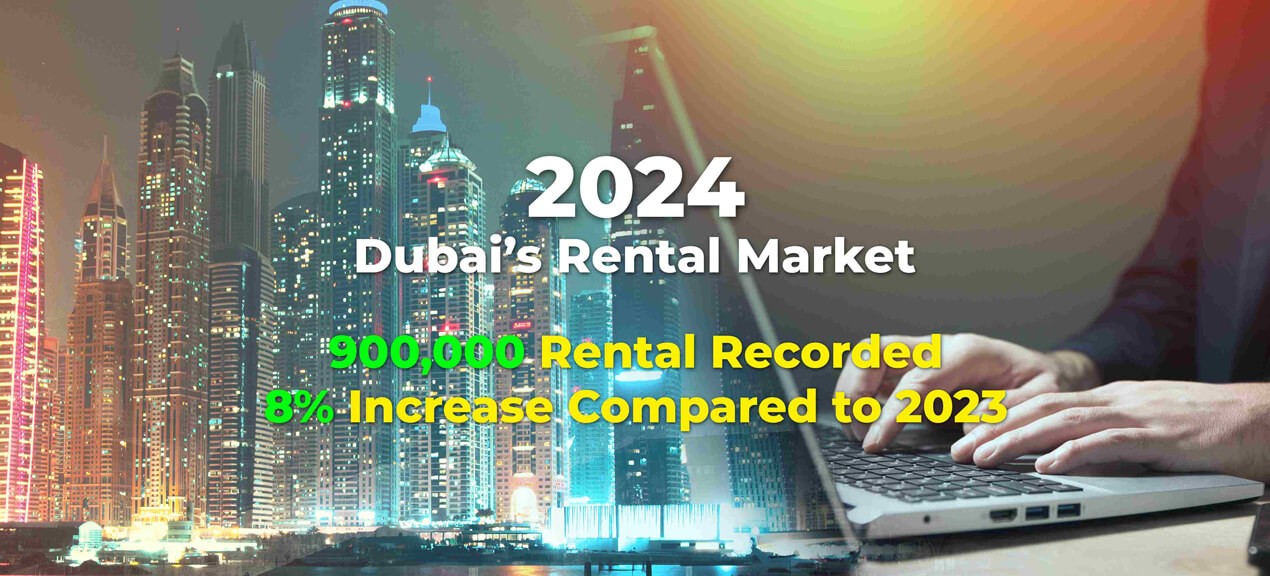
Dubai’s rental market has been on a steady incline, and the numbers are the proof. In 2024 alone:

  • 📈 Over 900,000 rental contracts were recorded
  • 📈 A significant 8% increase compared to 2023

With such rapid growth, the new rental index aims to keep prices fair and sustainable for both renters and property owners. And for the fact no one wants rent increases to feel like an unexpected plot twist in a Netflix thriller.

What This Means for Tenants & Landlords

For tenants, this is mostly good news! You now have clearer guidelines, more negotiation power, and protection against last-minute rent hikes. If your landlord misses the 90-day notice, you can legally challenge the increase.

For landlords, this means adapting to a more structured system. If they plan to raise the rent, they must follow the rules, notify tenants in advance, and ensure their property aligns with the new rental index.

Final Thoughts: Will This Stabilize Dubai’s Rental Market?

Dubai’s real estate sector continues to evolve, and the DLD’s rental reforms are a big step towards stability. By leveraging AI-driven insights, enforcing a clear 90-day notice policy, and refining rental pricing strategies, Dubai is aiming for a market that benefits both tenants and property owners.

So, whether you’re a tenant negotiating your next lease or a landlord adjusting to new rules, one thing is clear. Dubai’s rental landscape is getting a major upgrade in 2025.

So always stay informed by following our blog for the latest and most accurate updates. And keep an eye on the rental index, and make smart, well-informed decisions for your future in this thriving city!

Dubai’s Increasing Population: What It Means for the City’s Future

Dubai's Increasing Population

Dubai just hit another milestone, and its population has surpassed 3.8 million, marking the biggest surge since 2018. And if you think that’s impressive, hold on while you are reading this blog. An extra million people might have entered the city for work, meetings, and business. That’s like suddenly adding the entire population of Cyprus to Dubai every morning!

With a record-breaking influx of new residents, Dubai isn’t just growing, it’s booming. And this isn’t just about numbers. This massive population growth is reshaping the real estate market, supercharging the economy, and as a result, putting pressure on infrastructure like never before.

So, what’s fueling this unstoppable rise, and more importantly, what does it mean for Dubai’s future? Let’s break it down.

Why Is Dubai’s Population Growing So Fast?

Dubai has been on a winning streak when it comes to attracting talent, professionals, and investors. The latest Dubai Statistics Centre report indicates that the city’s population grew by another 169,000 residents in 2024, following a strong upward trend over the last few years:

2023: +104,000 new residents

2022: +71,500

2021: +67,000

2019: +162,000

2018: +215,000

Surprisingly, even during COVID-19, when cities worldwide saw population declines, Dubai still managed to gain 54,700 new residents. It’s a testament to its resilience and appeal.

What’s making Dubai the ultimate magnet for expats?

  1. Thriving Economy

Dubai offers endless career opportunities, from finance and tech to real estate and tourism.

  1. Business-Friendly Environment

Zero income tax, ease of doing business, and golden visas make it a hotspot for entrepreneurs.

  1. Unmatched Lifestyle

It is a safe, modern, and ultra-luxurious city with world-class entertainment, dining, and leisure options.

  1. Strategic Location

The perfect bridge between Europe, Asia, and Africa, attracting global businesses and investors.

The Daily Population Surge: 1 Million Extra People Every Day!

As a result, Dubai’s official resident population is 3.8 million, but it has swelled to nearly 5 million. This is because workers and professionals from Sharjah, Abu Dhabi, and Ajman commute daily to Dubai for jobs, business meetings, and conferences. This daily population explosion is both a boon and a challenge:

  • Boosts business activity – More people mean more demand for restaurants, retail stores, hotels, and entertainment.
  • Traffic congestion is real – If you’ve ever been stuck on Sheikh Zayed Road at 8 AM, you know what we’re talking about!
  • Infrastructure pressure – Roads, metros, and public transport need constant upgrades to keep up with demand.

Which Sectors Will Benefit the Most from Dubai’s Growth?

With hundreds of thousands of new residents arriving every year, experts predict major growth in key industries. Here’s where we’ll see the biggest impact:

1. Real Estate & Housing

More people mean more demand for homes. Dubai’s property market is already booming, and with population growth set to continue, demand for apartments, townhouses, and luxury villas will only increase.

Expect rising rents and property prices, especially in high-demand areas.

2. Public Transport & Infrastructure

Dubai is one of the best-connected cities in the world, but with 5 million people moving around daily, upgrades are essential.

3. Healthcare & Education

A bigger population means a higher demand for hospitals, clinics, schools, and universities. Expect to see:

  • More world-class medical centers are opening.
  • Growth in international schools as families settle in Dubai.
  • More investments in telemedicine & AI-driven healthcare solutions.

4. Retail & Consumer Goods

Population growth means more spending power. The retail industry is set for massive growth, with shopping malls, supermarkets, and online platforms benefiting from increased consumer demand.

Moreover, e-commerce in Dubai is set to explode as more residents turn to online shopping for convenience.

5. Tourism & Hospitality

Dubai’s daily surge of visitors means:

  • Hotels and serviced apartments will see record bookings.
  • There is more demand for business events, conferences, and exhibitions.
  • Luxury tourism will thrive as high-net-worth individuals move to Dubai.

The Challenges of Rapid Population Growth

While Dubai’s growth is exciting, it also comes with challenges; therefore, careful planning is essential. More residents mean greater pressure on infrastructure, traffic, housing, and public services.

  • Traffic Congestion – More cars on the road lead to more traffic. Dubai is already investing in AI-powered traffic systems and metro expansions to ease the strain.
  • Infrastructure Costs- To keep up with demand, the government will need to continue investing in roads, bridges, and metro lines.
  • Energy & Water Demand – A rising population means higher consumption. Dubai is pushing for sustainable solutions, including solar power and desalination projects.

Final Thoughts: Is Dubai Ready for the Future?

Dubai isn’t just keeping up with growth, it’s embracing it head-on. With strategic urban planning, massive infrastructure investments, and business-friendly policies, the city is set to remain a global powerhouse.

For businesses, investors, and professionals, Dubai’s population growth is an opportunity. No matter what industry you’re in; real estate, retail, transport, or hospitality, there’s no better time to be a part of Dubai’s unstoppable rise.

So, if you’re thinking about making Dubai your home, now’s the time because this city isn’t just growing; it’s thriving. Follow LuxLiving to stay informed on other exciting news that is shaping the city’s future.

Dubai’s Q4 2024 Real Estate Boom: Off-Plan Sales Take the Lead

Dubai's Q4 2024

If there’s one thing we can confidently say about Dubai, it’s that this city knows how to turn heads in the real estate world. The numbers are in for Q4 2024, and wow, what a showstopper year it was! With more than 50% of real estate transactions coming from the off-plan segment, Dubai’s market is making waves like never before. Let’s put our eyes on the details that are keeping investors coming to this dazzling city.

Off-Plan Transactions: The Cornerstone of Dubai’s Real Estate  Success

AED116.5 billion in sales transactions in just one quarter. Yes, you heard that right. That’s a whopping 31.1% increase from last year, driven by a jaw-dropping 51.8% surge in transaction volumes. And guess what? Off-plan sales were the real MVP, contributing 53% of the total transaction value.

From expensive developments in Palm Jumeirah to developing Dubai South, off-plan projects are ticking all the right boxes for investors and homebuyers alike. Whether it’s the promise of modern luxury or enticing payment plans, the off-plan market is like the hot new café everyone wants a table at.

What Makes Off-Plan Properties So Attractive?

Dubai’s real estate market involves innovation, luxury, and strategic investment. According to the Dubai Land Department report, the off-plan segment saw 30,388 sales totaling AED61.69 billion. That’s more than just impressive. It’s a clear signal of where Dubai’s real estate is headed.

Here’s why off-plan is the investor’s choice:

  • Flexible Payment Plans: Who doesn’t love a good deal? Developers are rolling out attractive payment schemes, making it easier for buyers to commit.
  • Modern Amenities: From futuristic smart homes to eco-friendly designs, off-plan projects are often at the forefront of innovation.
  • High ROI Potential: Investors are eyeing these projects for their lucrative return potential.

Spotlight on Top 7 Performing Areas

As the year wrapped up, several areas stood out, capturing buyers’ hearts and wallets. Here’s the rundown:

Business Bay: This bustling hub remained a favorite, thanks to its strategic location and mix of residential and commercial spaces.

Dubai Marina: Who can resist those waterfront views? This area continues to fascinate with its high rental yields and upscale lifestyle.

Palm Jumeirah: It’s no surprise this iconic island is a magnet for luxury seekers. Villas and apartments here are flying off the shelves.

Downtown Dubai: The heartbeat of the city, Downtown offers a blend of luxury living and cultural landmarks.

Dubai South: Affordable housing and proximity to Expo City make this a hot spot for strategic investments.

Jumeirah Village Circle (JVC): A family-friendly favorite, JVC offers budget-friendly options without skimping on quality.

Dubai Land: Focusing on villas and townhouses, this area is shaping to be a haven fo value-driven buyers.

Luxury Real Estate: A Key Growth Driver

Dubai isn’t just about quantity; it’s about quality, and luxury developments are the crown jewels of its real estate market. High-net-worth individuals (HNWIs) from around the globe are flocking to neighborhoods like Palm Jumeirah and Downtown Dubai. These areas are the ideal of luxury, boasting world-class amenities and unbeatable lifestyle appeal.

With average sales prices hitting AED4,600 per square foot in Palm Jumeirah, the ultra-luxury segment isn’t just a niche; it’s a significant market driver. And why wouldn’t it be? Dubai offers a unique blend of lifestyle, security, and strategic investment value.

Everything You Need to Know About the Dubai Metro Blue Line

Dubai Metro Blue Line

Dubai is a city that never ceases to amaze. From towering skyscrapers to record-breaking events, it’s no surprise that the Dubai Metro Blue Line is the next big thing making headlines. Announced by the RTA earlier this year, this latest metro addition promises to revolutionize how residents and visitors move around the city. But there’s more! The official launch date has been announced and is about as iconic as it gets.

Dubai Metro Blue Line: Launch Date Announced

Mark your calendars! On Sunday, September 9, 2029, the Dubai Metro Blue Line will officially open its sleek, futuristic doors to the public. What’s so special about this date? Just the fact that it aligns with the 20th anniversary of the Dubai Metro, which first began operations on 9-9-2009 at exactly 9:09:09 PM.

This isn’t just a metro launch. It’s a celebration of two decades of Dubai’s journey toward becoming one of the most connected cities in the world. So, don’t be surprised if the grand opening feels more like a festival than a ribbon-cutting ceremony.

Blueprint of the Blue Line: Connecting Dubai Like Never Before

With 30 kilometers of track and 14 modern stations, the Blue Line isn’t just a metro route. It’s an infrastructure sensation. Designed to handle 200,000 daily riders by 2030, it’s expected to grow even further. By 2040, it will accommodate 320,000 passengers daily.

The numbers are impressive, but let’s talk about the experience:

  • Faster Travel: Commutes will range between 10 to 25 minutes, making the Blue Line the ideal solution for anyone tired of sitting in traffic.
  • Strategic Stops: Covering key areas like Mirdif, Al Warqa, Dubai Silicon Oasis, and Dubai Creek Harbour, it ensures seamless connectivity for both daily commuters and tourists.
  • Eco-Friendly Impact: By reducing congestion by 20%, the blue line will also play a vital role in reducing emissions, which will be a win for both residents and Mother Earth.

Two Routes of Dubai Metro Blue Line for Enhanced Flexibility

The Dubai Metro Blue Line is designed with versatility in mind, offering two distinct routes to meet varying travel needs:

Route One

  • Length: 21 kilometers
  • Stations: 10 (a mix of elevated and underground)
  • Route Highlights: Starts at Al Khor Interchange (Green Line), stretches through Dubai Festival City, Dubai Silicon Oasis, and ends at Dubai Academic City.

Route Two

  • Length: 9 kilometers
  • Stations: 4
  • Route Highlights: Connects Centrepoint Interchange (Red Line) in Al Rashidiya to Mirdif, Al Warqaa, and International City One.

This dual-route approach ensures a better reach across different parts of the city while maintaining smooth integration with the existing Red and Green Lines.

Innovative Station Design of the Dubai Metro Blue Line

Now, let’s talk aesthetics. The Blue Line stations are gearing up to dazzle commuters with their futuristic design. Unlike the enclosed stations of the Red and Green Lines, the Blue Line will feature sleek, curved structures.

Imagine walking into an oval-shaped platform that feels more like stepping into a sci-fi movie than catching a train. The open yet modern vibe of the stations reflects Dubai’s ethos of blending innovation with elegance.

A Step Toward the 20-Minute City Vision

The Blue Line isn’t just a metro line; it’s a cornerstone of Dubai’s ambitious 2040 Urban Master Plan. If you’ve heard of the “20-minute city” concept, you know it’s all about convenience. The idea is simple: residents should be able to access 80% of their essential services within a 20-minute commute.

Here’s how the Blue Line is making that vision a reality:

  • Direct Airport Link: Travelers can now quickly get from Dubai International Airport to key city hubs without the headache of traffic.
  • Affordable Alternative: The metro will be a cost-effective choice for daily commuters, reducing the dependency on private vehicles.
  • Sustainability Goals: By promoting public transport, the Blue Line helps Dubai stay on track to becoming a greener, more sustainable city.

What’s Next? The Countdown Begins

Construction is set to start in April 2025, and if Dubai’s track record with ambitious projects is anything to go by, we can expect nothing short of excellence. As the launch date draws closer, plenty of updates will keep us on our toes.

Final Thoughts: The Future of Dubai, On Track

The Dubai Metro Blue Line isn’t just a new route; it’s a promise of a more connected, accessible, and sustainable city. From its ambitious capacity to its visionary design, every aspect of the Blue Line reflects Dubai’s commitment to being a global leader in urban development.

So, whether you’re a daily commuter, a tourist, or just someone who loves seeing Dubai break boundaries, the Blue Line launch is something to look forward to. Mark your calendar, set a reminder, and prepare to be part of history. Stay updated on Dubai’s news and latest developments. Follow LuxLiving to stay informed about the Dubai Metro Blue Line and other exciting projects shaping the city’s future.

And let’s meet on September 9, 2029, to ride into the future – together.

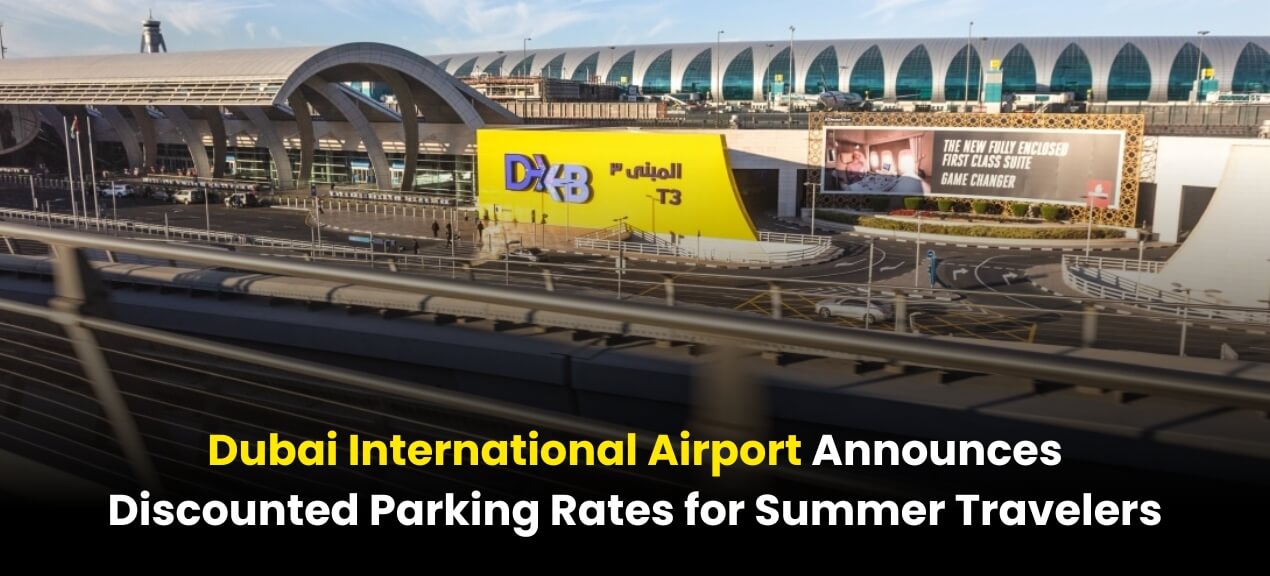
Dubai International Airport Reaches New Heights in 2024: A Record-Breaking Year!

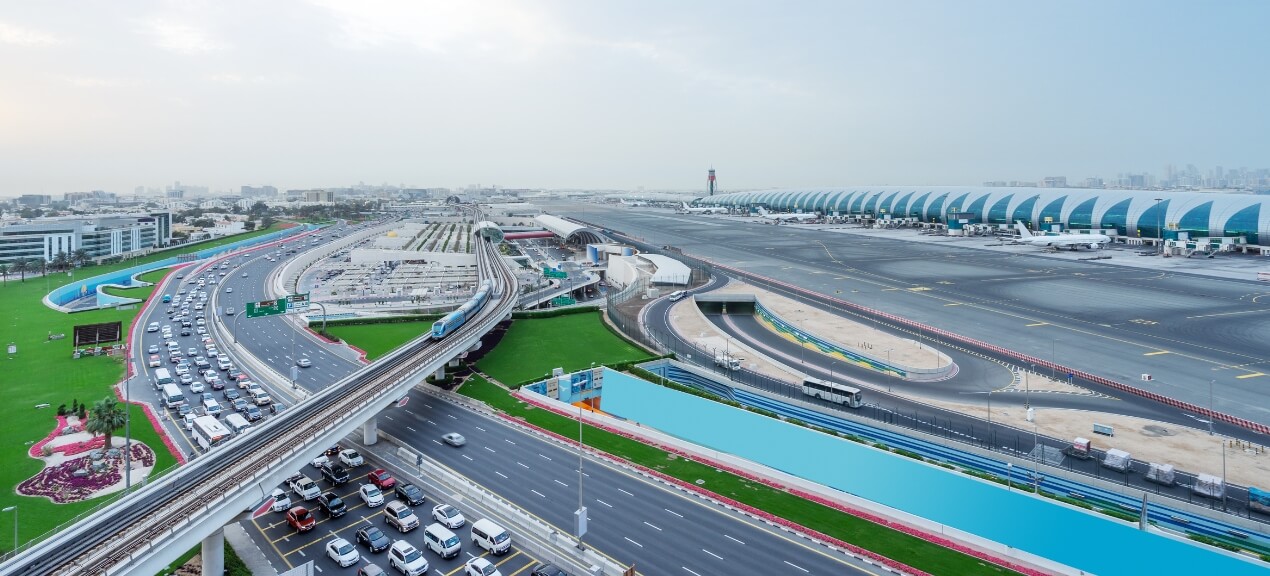
Dubai travel 2024

Dubai International Airport (DXB) is proving yet again why it’s the crown destination of global aviation, smashing records and setting new benchmarks in passenger traffic. With 68.6 million travelers welcomed in just the first nine months of 2024, Dubai is rolling toward a groundbreaking year. And if that doesn’t make you want to book a flight to Dubai right now, maybe the winter sunshine, amazing attractions, and unbeatable shopping will!

Hold tight as we dive into the buzz around Dubai International Airport DXB’s stellar performance and what makes it the world’s busiest, most exciting airport.

Dubai International Airport DXB’s Meteoric Growth in 2024

Here’s a snapshot of what Dubai International Airport DXB has accomplished so far this year:

  • Passenger Traffic: 68.6 million passengers in nine months (and counting!)
  • Q3 Highlights: 23.7 million travelers, a 6.3% increase compared to 2023.
  • Flight Movements: 327,700 flights up to September, marking a 6.4% rise year-on-year.
  • Baggage Bliss: 60.1 million bags handled with a jaw-dropping 99.3% accuracy rate.

Dubai International Airport DXB is bracing for 23 million more passengers in the final quarter. Yes, that’s right, 23 million people are ready to enter Dubai’s winter magic, festive vibes, and business opportunities.

Why Everyone’s Flocking to Dubai

Dubai’s magnetic appeal isn’t just for Instagram-worthy vacations. It’s a hub for tourists, expats, and professionals alike. Here’s why:

  1. A City That’s Thriving on Every Front
  • Tourism: From Burj Khalifa to Dubai Mall, beaches and Dubai attractions keep everyone returning for more.
  • Business: The UAE’s progressive policies make it a magnet for global talent and investors.
  • Winter Wonderland: Winter in Dubai means perfect weather for outdoor adventures, cultural festivals, and desert safaris.
  1. DXB: The Gateway to the World

Dubai International Airport isn’t just an airport; it’s an experience. With high quality facilities, impeccable service, and global connectivity, it’s no wonder Dubai International Airport DXB has retained its top spot in the aviation world for over a decade.

  • Direct Traffic Takes the Lead: For the first time, direct Traffic has surpassed transfer traffic, proving Dubai is not just a stopover but a destination in itself.
  • Expanding Connections: New airlines are entering the Dubai International Airport DXB, offering more routes and opportunities.

Top Markets and Destinations: Who’s Leading?

Dubai International Airport DXB’s appeal stretches far and wide, with India maintaining its crown as the largest market, contributing 8.9 million passengers. Saudi Arabia and the UK are hot on their heels, with 5.6 million and 4.6 million passengers, respectively.

Other Key Markets to Watch:

  • USA: 2.6 million passengers, driven by strong business and leisure ties.
  • Germany: 2 million passengers from Europe to experience Dubai’s charm.

As for cities, London reigns supreme with 2.9 million travelers, followed by Riyadh (2.3 million) and Mumbai (1.8 million).

Winter In Dubai: The Most Wonderful Time of the Year

The final quarter of 2024 is shaping up to be a blockbuster, with Dubai International Airport DXB expecting massive growth in Traffic from Western Europe and the CIS region. Here’s what’s cooking:

  • Western Europe: An additional 237,000 seats were added compared to Q3.
  • CIS Region: A stunning increase of 301,000 seats.
  • New Routes & Airlines: Bhutan’s Druk Air and Europe’s Eurowings bring fresh destinations into the compound.

These additions are a testament to Dubai’s strategic location and unrelenting ambition to connect the world.

Leadership Vision

Paul Griffiths, CEO of Dubai Airports, stated: “At the heart of this success is our people, whose dedication and collaboration have driven our record-breaking guest numbers and robust operational performance.”

This emphasis on teamwork and continuous investment in customer service and technology ensures that Dubai International Airport DXB isn’t just an airport—it’s an unforgettable experience.

From delivering 92% of baggage within 45 minutes to upgrading hospitality offerings, Dubai International Airport DXB proves it’s not just about moving people but delighting them at every step.

What’s Next for Dubai International Airport DXB? The Sky’s the Limit

As we wrap up 2024, all eyes are on Dubai International Airport and its ambitious plans for the future. With its unbeatable performance this year, Dubai International Airport DXB is set to maintain its leadership in global aviation and redefine what travel excellence looks like.

From hosting world-class events to embracing cutting-edge technology, Dubai International Airport DXB is more than just an airport; it symbolizes Dubai’s unstoppable spirit. So whether you’re flying in for business or leisure, Dubai will exceed your expectations.

Final Thoughts

Dubai International Airport’s record-breaking performance is a reflection of the city it represents, which is innovative, ambitious, and welcoming. With 2024 shaping up to be its best year yet, DXB isn’t just keeping pace with the aviation world; it’s setting the standard.

Start planning now, and don’t miss out on our blogs. Visit our site to get all the latest updates. Make sure Dubai is on your list next time you plan a trip. The journey through DXB is just the beginning of an adventure you won’t forget.

Dubai’s Major Plans: Vision for Real Estate, Education & Transportation

Major Plan Dubai
Dubai's Major Plans

Dubai is going big, and by big, we mean AED 1 trillion big! Yes, you read that right. Dubai has major plans to redefine its landscape over the next decade. The focus will be on real estate, education, transportation, and even cashless payments. Sheikh Hamdan bin Mohammed bin Rashid Al Maktoum, Dubai’s Crown Prince, has set the stage for an ambitious journey. Which aims to transform Dubai into a globe of opportunity, innovation, and quality of life. Here’s a closer look at Dubai’s major plans to reshape the city’s future.

Dubai’s Vision for Growth: Aiming for AED 1 Trillion in Real Estate Transactions

Dubai aims to boost real estate transactions to AED 1 trillion ($272 billion) by 2033 as part of Dubai’s major plans. This isn’t just about numbers; it’s about creating a sustainable, thriving economy with real estate at its heart.

The Real Estate Strategy 2033 focuses on transforming Dubai into a world-class real estate hub. This strategy is about more than skyscrapers and luxury villas. It’s about increasing homeownership, ensuring family stability, and creating a real estate market that competes on a global scale. By adding AED 73 billion ($20 billion) to Dubai’s GDP, the plan underscores Dubai’s dedication to making the city not only a leader in real estate but also a place people proudly call home.

How Dubai’s Growth Plans Will Impact Residents

There will be more opportunities for everyone. The real estate market will offer competitive housing, promote stability, and foster family values. Whether you’re looking for investment opportunities or a place to settle down. Dubai’s commitment to its real estate growth means an ecosystem that welcomes residents and investors alike.

Revolutionizing Education: The Education Strategy 2033

Revolutionizing Education

A prosperous city is built on an educated populace. Dubai is taking its educational system to new heights with its Education Strategy 2033. The aim is to create a world-class education system.

Sheikh Hamdan envisions an educational framework that encourages intellectual growth and instills Emirati values and cultural identity. This is the essence of Dubai’s major education plans.

Dubai’s educational revamp will focus on enhancing the quality of learning at all levels. Specially investing in teachers, and creating an environment where both students and educators can thrive. This strategy emphasizes building capacity, adapting to global educational standards, and fostering a new generation of leaders equipped to handle the challenges of the future.

Dubai’s Transportation Network: Moving Ahead with Smart Mobility

What’s a futuristic city without an efficient transport system? Dubai is also taking steps to revamp its transportation with a new 65-kilometer transport network to complement its growth. Known as the Suspended Transport Systems Project, this new system aims to connect key areas like Umm Suqeim Street, Al Khor, and Zabeel. It will create seamless movement across the city.

This Dubai major plan not only enhances connectivity but also aligns with the city’s Smart Mobility Strategy. By 2030, the system aims to increase public transportation’s share of all citywide trips to 26%.

Imagine a transport system that allows you to glide through the city. Which is efficiently connecting your home to your office, schools, and entertainment spots. This futuristic vision is designed not only to meet the demands of Dubai’s residents and tourists. It also aims to reduce the city’s carbon footprint, promoting sustainability on a global scale.

The Journey to a Cashless Society

Journey to a Cashless Society

With technological advancement at the core of Dubai’s growth, the city has set its sights on becoming one of the top five cashless cities worldwide by 2033. Dubai’s cashless society is part of its grand plan to bring digital convenience to the forefront of everyday life. This major plan aims to see all businesses accepting digital payments and projects a revenue of AED 8 billion ($2.2 billion) through cashless transactions.

Moving toward a cashless society isn’t just about convenience. It’s also about safety, transparency, and creating an innovative economy that places Dubai ahead of the curve. So, whether you’re grabbing a coffee or buying a home, expect a digital, seamless payment experience as the city propels itself toward a cashless future.

Preserving Heritage: The National Archives Project and Cultural Legacy

The National Archives Project, part of Dubai’s social and economic agenda, will preserve and chronicle the city’s rich history and cultural heritage. Overseen by the Mohammed bin Rashid Library, this project is key to ensuring future generations can appreciate the journey that has made Dubai one of the world’s most prosperous cities.

It’s a reminder that while Dubai’s major plans aim to push boundaries, they’re also about preserving the emirate’s heritage. This project will not only safeguard Dubai’s legacy but also educate future generations on the emirate’s achievements, resilience, and growth.

Dubai’s Strategic Initiatives: Broader Impact on Residents and the UAE Dubai’s

Dubai's Strategic Initiatives

The transformation promises to bring immense opportunities to investors and visitors alike. With an increased emphasis on family stability, a top-notch education system, and efficient transportation, Dubai is positioning itself as a global city that’s as livable as it is luxurious.

For investors, Dubai’s burgeoning real estate market represents a golden opportunity. Dubai aims to achieve the AED 1 trillion goal, positioning its property market as one of the most valuable and attractive globally. For the residents, these major Dubai plans mean an improved quality of life.

Moreover, these plans showcase Dubai’s determination to remain at the forefront of global iDubai’ son. From going cashless to creating a smart transport network, Dubai’s futuristic thinking highlights its commitment to a future that balances technological advancement with cultural preservation.

Conclusion

As we look forward to 2033, one thing is clear: Dubai is not just building a city; it’s creating a future. And for residents, investors, and visitors, the journey is just beginning. From the shimmering skyline to the vigorous educational initiatives and a seamless cashless economy, Dubai is crafting a metropolis that merges ambition with accessibility, luxury with livability, and heritage with innovation. Contact us or visit our website to learn how we can help you make the move seamlessly.

Al Khail Road Project Complete: 5 New Flyovers Introduced

Al Khail Project flyover

Dubai’s driving experience will get much better as the Al Khail Road Development Project is finished. If you’ve ever been stuck in traffic on your morning commute or late evening. This news is like a breath of fresh air. And it’s not just another traffic update; this project is big. We’re talking wider roads, five brand-new bridges, and smoother connections between Dubai’s most bustling neighborhoods. Whether you’re headed to Jebel Ali, Business Bay, or Deira, the upgrades will minimize valuable minutes off your drive.

Here’s the full inside on how Dubai’s Roads and Transport Authority (RTA) gave Al Khail Road the glow-up and eliminated traffic jams!

Al Khail Road: A Major Upgrade for Dubai’s Infrastructure

The Al Khail Road isn’t just any highway; it’s a key route in Dubai’s vast road network. Stretching from Business Bay Crossing all the way to Sheikh Mohammed bin Zayed Road, it supports five lanes of traffic in each direction. And with a population of 1.5 million people relying on it, the road was in dire need of an upgrade.

What’s New on Al Khail Road?

The project revolutionized seven key areas, with five new bridges and widened stretches of road spanning over 6.8 kilometers. It also improved traffic flow and slashed travel times by a whopping 30%. That means more time enjoying Dubai’s life and less time listening to your “Road Rage” playlist.

Seven Areas That Got a Facelift

Let’s break down the new roadworks by location. Each area now boasts wider lanes and better traffic capacity. It is perfect for Dubai’s growing urban lifestyle. Here’s a breakdown of the changes:

Zabeel

  • A 700-meter, three-lane bridge now connects traffic from Zabeel Palace Street to Al Khail Road toward Jebel Ali.
  • It can accommodate 4,800 vehicles per hour. So now, no more sweaty palms waiting at the intersection!
  • Smooth travel between Oud Metha Street and Financial Centre Street.

Meydan

  • If you need a faster route to Ras Al Khor? The construction of the new 610-meter bridge with two lanes allows it to serve 3,200 vehicles per hour.
  • They upgraded an additional 1.5 kilometers of surface roads to connect Al Khail Road seamlessly with Ras Al Khor.

Al Quoz 1

  • A two-lane bridge (650 meters) now links traffic between Meydan Street and Al Waha Street. You can enjoy the uninterrupted drive if you’re heading to Jebel Ali.
  • A 2.1 kilometers of road enhancements ensure smooth traffic flow between Al Khail and Latifa Bint Hamdan Street.

Ghadeer Al Tair

  • A sleek 640-metre bridge now connects Latifa Bint Hamdan Street to Al Khail Road. And the Capacity? 3,200 vehicles per hour.
  • And this doesn’t stop there. They also revamped 1.35 kilometers of surface roads to link traffic with Meydan Street.

Jumeirah Village Circle (JVC)

  • A new 700-metre bridge now connects Al Khail Road with Hessa Street. Whether you’re running for office or rushing to attend a conference, 3,200 vehicles per hour can now zip through this route.
  • Additionally, they improved 900 meters of roads to provide easy access from JVC to Deira.

Al Jaddaf

  • A 600-meter lane expansion was added on Al Khail Road toward Deira, bumping up capacity by 2,000 vehicles per hour. This means less waiting and more moving!

Business Bay

  • If you have a daily route to Business Bay, then it’s good news for you! A 435-meter extra lane was added to improve the traffic flow from Al Khail Road toward Jebel Ali. Now, getting into Dubai’s business hub is as smooth as your morning latte.

Why Al Khail Road is so Important

If you’re wondering whether these changes are a big deal, the answer is a loud YES. Before this project, Al Khail Road was known for bottlenecks that could ruin even the most carefully planned day. But with these improvements:

  • 30% reduction in travel times: Now, getting across the city takes less time than binge-watching a Netflix episode.
  • Capacity upgrade: Intersections and bridges can now handle 19,600 vehicles per hour without breaking a sweat.
  • Fewer bottlenecks: Free-flowing traffic means fewer honks, fewer headaches, and more time to enjoy life in the fast lane.

How Does Al Khail Road Connect the Dots?

Al Khail Road is a strategic corridor linking major highways such as Sheikh Zayed Road, Sheikh Mohammed bin Zayed Road, and Emirates Road. It is the backbone of Dubai’s traffic network, ensuring smooth connectivity between residential areas, business hubs, and tourist hotspots.

A Smart Move for the Future

The Al Khail Road project isn’t just about today. It’s about future-proofing Dubai’s infrastructure. With a rapidly growing population and booming economy, Dubai’s Roads and Transport Authority (RTA) understands that efficient roadways are essential to keeping the city running like clockwork.

These new developments pave the way for smoother journeys by improving traffic flow and increasing capacity. They also enhance road safety and have less environmental impact. After all, fewer traffic jams mean less time spent idling and fewer carbon emissions.

What’s Next on the Road Map?

While this marks the end of the Al Khail Road upgrades, Dubai isn’t hitting the brakes just yet. The city is constantly evolving, with innovative road projects and public transport initiatives in the pipeline. From self-driving taxis to hyperloop connections, Dubai is determined to keep traffic headaches where they belong.

Conclusion: Al Khail Road 2.0

So there you have it! The completion of the Al Khail Road Development Project isn’t just a win for motorists. But it’s a win for everyone who lives, works, or even visits Dubai. With smoother roads, new bridges, and less congestion, the road is now ready to handle the city’s fast-paced lifestyle.

Whether you’re zipping through Business Bay, cruising toward Jebel Ali, or gliding into Deira, the new Al Khail Road is designed to make every trip stress-free. So buckle up, Dubai—the fast lane just got faster!

Ready to experience the difference? Visit our website for more insights and updates on Dubai’s latest infrastructure projects!

Palm Jebel Ali: A Visionary Waterfront Construction by Nakheel

Palm Jebel Ali

In the ever-evolving landscape of Dubai’s real estate, The Palm Jebel Ali project will stand as an architectural and lifestyle sensation. Dubai’s new expanding coastline, Palm Jebel Ali, will be Dubai’s future aspiration, fusing luxury living with progressive urban planning. Nakheel, a Dubai Holding Real Estate subsidiary, recently awarded AED 5 billion worth of contracts to major players in the construction industry. These contracts lay the foundation for a new level of ultra-luxury villas on the first six fronds of Palm Jebel Ali. As the development gears towards its completion by late 2026, it’s evident that this waterfront destination will redefine modern luxury.

Major Contracts Propel Palm Jebel Ali’s Development Forward

Nakheel’s selection of Ginco General Contracting, Shapoorji Pallonji Mideast, and United Engineering Construction Company (UNEC) as key partners signals its commitment to excellence. These three titans of the construction industry will spearhead the development of 723 luxury villas across six fronds: Fronds K, L, M, N, O, and P. The award of these contracts marks a monumental step in Nakheel’s vision to create world-class waterfront living experiences.

These won’t be just homes; they will be modern palaces. The 539 five- and six-bedroom villas from the Beach Collection and 184 seven-bedroom Coral Collection villas will set a new benchmark for exclusivity. Each villa will be carefully designed as a masterpiece. The Beach Collection will offer eight distinct architectural styles, while the Coral Collection will boast the same diversity in design. The villas range from 8,000 to 15,000 square feet, each with a private beachfront, elevating the essence of luxury.

Collaboration Between Industry Leaders to Shape Palm Jebel Ali’s Future

Ginco General Contracting will deliver 197 villas on Fronds O and P, while Shapoorji Pallonji Mideast is tasked with constructing 275 villas on Fronds M and N. UNEC will build 251 villas on Fronds K and L, transforming this stretch of coastline into one of the most in-demand residential areas in the world. This multifaceted collaboration brings together experience, vision, and expertise to realize a singular objective: to deliver ultra-luxury living at its finest. But these villas are only part of the story. Alongside the residential construction, Nakheel is developing a network of roads and integrated utilities. Additionally, lush green spaces are being created, all aligned with the Dubai 2040 Urban Master Plan. The vision is to create not just homes but a holistic living experience that enhances quality of life and fosters a sense of community.

Palm Jebel Ali: A Global Standard in Waterfront Luxury

Palm Jebel Ali is far more than just a development; it’s a new global standard in waterfront living. With over 90 kilometers of beachfront and a meticulously planned 13.4-kilometer archipelago, it offers an exceptional living experience. As Sheikh Mohammed bin Rashid Al Maktoum revealed, this development is part of Dubai’s grander economic growth scheme, symbolized in the Dubai Economic Agenda D33. This visionary project does more than add to Dubai’s impressive skyline. It opens new growth corridors in the Jebel Ali area, attracting investment and tourism. The project’s emphasis on sustainability and smart city technologies ensures that Palm Jebel Ali is not just built for today but is future-proof. It offers residents mobility options that provide seamless connectivity with the rest of Dubai. Nakheel’s commitment to blending innovation with tradition shines through, making Palm Jebel Ali a cornerstone of Dubai’s long-term expansion strategy.

Sustainable Urban Planning Meets Architectural Grandeur

The villas will be works of art, but the supporting infrastructure is equally impressive. Nakheel employs the latest urban planning practices, ensuring the project aligns with global standards. It’s not just about luxury; it’s about sustainability and livability. Palm Jebel Ali represents the future of urban living, from public spaces to integrated mobility solutions. Nakheel’s development will include several mixed-use, pedestrian-friendly neighborhoods that offer panoramic views of the Arabian Gulf. Residents will have access to a wide range of recreational spaces, from parks to high-end retail outlets. This ensures that the community caters to every lifestyle. The emphasis on sustainability is clear, with eco-friendly practices and smart city technologies woven into every facet of the project.

Palm Jebel Ali: A Catalyst for Dubai’s Economic Growth

Palm Jebel Ali is not just a residential project; it’s a significant contributor to Dubai’s future growth. The project’s scale and ambition are underlined by its alignment with the Dubai Economic Agenda D33. This massive waterfront development will help Dubai remain a global leader in luxury real estate. It will also drive economic growth and foster international investment. For residents, this means more than just a home in a luxurious setting. It means living in a community that is at the forefront of global trends in sustainability, connectivity, and urban planning. Palm Jebel Ali is designed to be a paradise for families, investors, and global citizens alike. Whether it’s the expansive beachfront views or the carefully curated amenities, this development offers an unmatched living experience.

Building a Legacy: Palm Jebel Ali’s Path to the Future

Palm Jebel Ali is, in every sense, a legacy project. Nakheel’s collaboration with top construction firms like Ginco, Shapoorji Pallonji, and UNEC ensures this isn’t just a development. It’s a statement about Dubai’s ambitions, future, and position on the world stage. These firms, each known for their contributions to some of the world’s most iconic projects, bring a wealth of experience and expertise to Palm Jebel Ali. As Gheyath Mohammad Gheyath, Chairman of Ginco General Contracting, stated, this project symbolizes the power of strong partnerships. With professionalism, commitment, and innovation at its core, the Palm Jebel Ali project is poised to set new standards in luxury living. The collaboration between Nakheel and these industry leaders is not just a business venture; it’s a mutual vision of success.

Conclusion: Palm Jebel Ali — Where Vision Meets Luxury

Palm Jebel Ali is more than just another development in Dubai’s ever-growing real estate market. It’s a visionary leap into the future, a project that promises not just homes but lifestyles that embody luxury, sustainability, and innovation. The project is progressing rapidly, with contracts being awarded to some of the most renowned construction firms. It is well on its way to becoming a global benchmark in ultra-luxury living. From amazing beachfront villas to smart city technologies, Nakheel’s Palm Jebel Ali sets a new standard in residential living. It resonates with Dubai’s future and the desires of discerning investors. As Dubai continues to grow and evolve, Palm Jebel Ali will undoubtedly remain a shining example of what’s possible when vision meets execution.

Always visit our website for more information and amazing blogs on real estate developments and investment opportunities.