Blog | LuxLiving

Dubai Property Prices Have Doubled in the Last Five Years

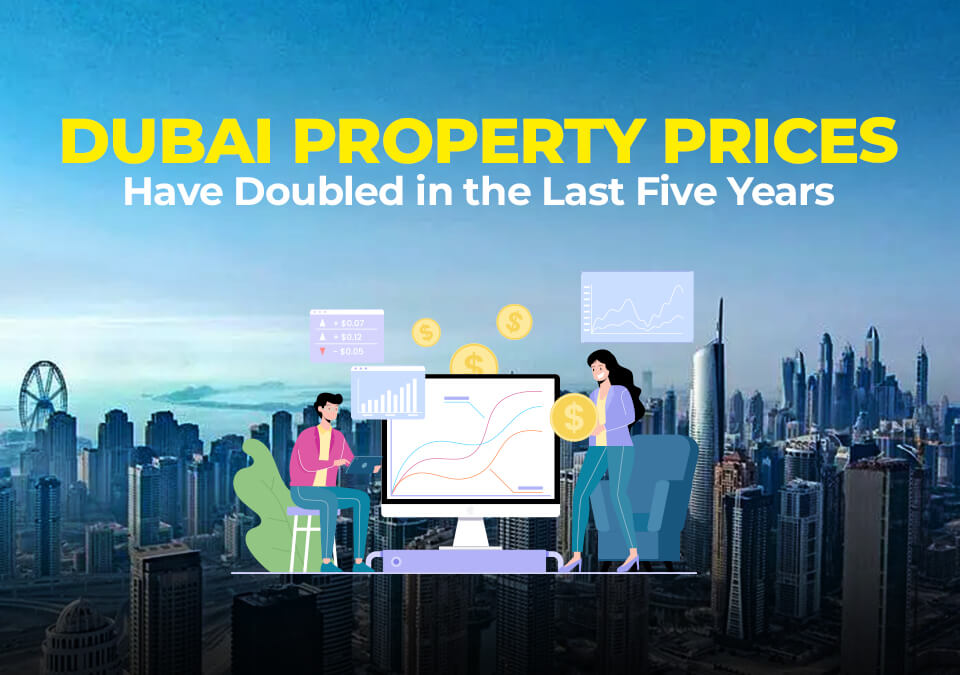
Dubai’s real estate market has once again demonstrated why it remains one of the most resilient and in-demand property destinations in the world. Over the last five years, average property prices per square foot have more than doubled, reaching AED 1,683 per sq. ft. as of October 2025, according to the latest data from DXB Interact.

For investors, end users, and first-time buyers, this price surge is more than a market headline; it signals a long-term transformation driven by strong demand, supply expansion, and Dubai’s strategic evolution as a global real estate powerhouse.

A Market That Continues to Grow with a More Stable Pace

October 2025 reflected an interesting shift. Prices increased just 0.13% month-on-month, slowing from the higher jumps observed in August and September. While this may appear subtle, analysts emphasize that the market’s long-term upward trend remains intact. And this trend signals normalization.

For nearly three years, Dubai experienced rapid acceleration in prices, rentals, and transaction volumes. As 2025 nears its end, the data shows the market is transitioning into a phase that is sustainable, measured, and more beneficial for long-term stability.

DXB Interact’s report highlights that although October did not set a new all-time high, transactional activity remains significantly elevated, reinforcing that demand remains strong across off-plan and ready properties.

A Massive Development Pipeline: 532 Projects in 10 Months

One of the most defining attributes of Dubai’s 2025 real estate landscape is its project launch activity. In October alone, the city launched 65 new projects, adding more than 14,000 residential units valued at AED 33.5 billion.

From January to October 2025:

  • 532 projects were launched
  • 131,504 units entered the market
  • Activity levels surpassed what would typically represent a full year

This scale of development shows confidence from both new and established developers, who clearly believe in the city’s demand.

More Developers Than Ever

A total of 228 developers have launched projects so far in 2025, up from 163 during the same period in 2024. This rising number reflects:

  • Increased investment desire,
  • Deeper supply-side diversification, and
  • Growing trust in Dubai’s long-term growth model.

Apartments Lead 2025, but Villas Are Gaining Momentum

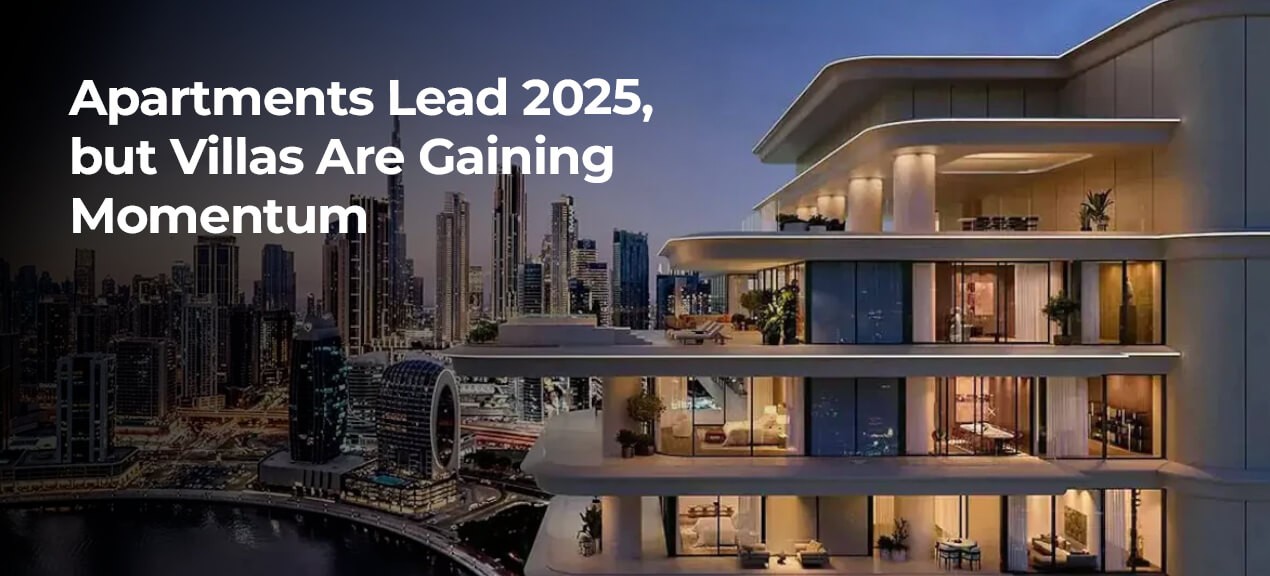
Apartments made up 99% of October’s new supply, with only 144 villas and townhouses launched. This reflects strong demand for:

  • urban living,
  • affordable luxury developments,
  • and community-driven master plans.

However, analysts forecast a significant rise in villa and townhouse launches in the near future.

Some highly anticipated clusters include:

  • Grand Polo Club (Emaar)
  • New phases at The Valley
  • Redesigned launch of The Heights
  • Damac Islands 2 – Phase 1
  • Further expansions at Jumeirah Golf Estates, led by Wasl

The surge in villa planning suggests developers are responding to the persistent need for spacious family homes, a trend that accelerated post-pandemic and remains strong today.

Transaction Activity Sets New Benchmarks

The one indicator that captures Dubai’s strength best is its transaction volumes.

As of October 2025:

  • 178,000+ transactions have taken place
  • This marks a 17.4% increase compared to the same period last year
  • The figure already represents 98% of 2024’s total transactions

The market is on track to surpass 212,000 transactions by year-end, setting a new record for the third consecutive year.

Monthly activity averaged 17,300+ transactions, with only two months dipping below 15,000, demonstrating the consistency of demand.

These high-volume activities are incited by:

  • population growth,
  • global investor interest,
  • long-term visa policies,
  • new mega-community launches,
  • and Dubai’s status as a safe, tax-friendly investment destination.

Why Have Prices Doubled?

The doubling of prices per square foot over five years is the result of several anticipated factors:

1. Strong Population Growth

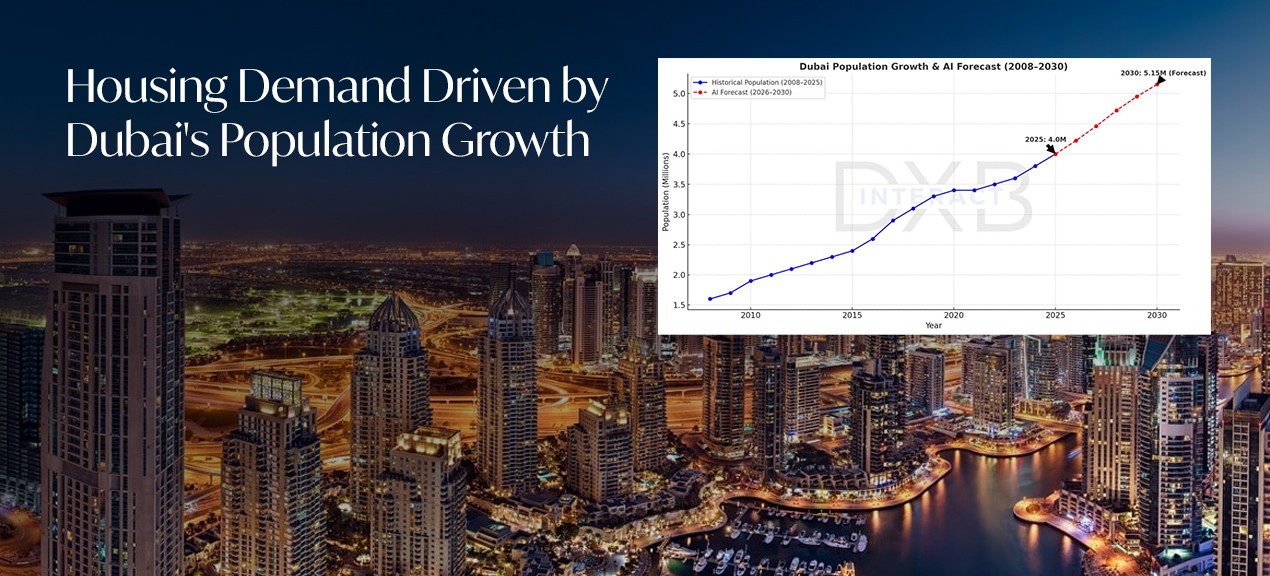
Dubai’s population surpassed 4 million in 2025, with projections indicating it will reach 5.8 million by 2040. Housing remains a primary demand driver.

2. Investor Confidence & Global Migration Trends

High-net-worth individuals, corporate buyers, and new residents continue to choose Dubai for its security, tax advantages, and lifestyle.

3. Supply Expansion with Higher Quality Standards

Master developers are delivering premium communities with improved amenities and waterfront access, driving price uplift.

4. Strong Infrastructure Development

New roads, schools, hospitals, and retail centers increase long-term value across emerging neighborhoods.

5. Regulatory Innovation

Dubai’s real estate transparency, escrow rules, and digital property systems contribute to safer transactions and higher investor trust.

This results in a market that grows consistently, not through speculation, but through real demand backed by real fundamentals.

Opportunities for Buyers and Investors in 2025

The current cycle offers different opportunities depending on your goals.

For End Users and First-Time Buyers

Dubai’s normalization phase means that monthly price spikes are less extreme, offering more predictability. With the continuous launch of new projects and flexible payment plans, buyers have more options than ever.

For Investors

High rental demand and historic occupancy rates continue to drive strong yields. The surge in transaction activity also points toward liquidity, an essential factor for long-term investment success.

For Sellers

With prices more than doubling since 2020, many owners are now in a strong equity position. Seller activity is increasing, especially in well-located communities with high resale demand.

Conclusion

Dubai’s real estate market has entered a new phase, one defined by steady, sustainable growth rather than abrupt spikes. With property prices doubling in five years, transaction activity at record highs, and over 530 new projects launched in 2025 alone, the city continues to prove its strength and global appeal.

Whether you’re planning to buy, invest, or simply stay informed, Dubai real estate promises opportunity across every segment. To keep up with the latest trends, development updates, and expert insights, read more on our blog and visit our website. Stay informed and make decisions with Luxliving Real Estate by your side.

Dubai Real Estate 2025: Strong Apartment Growth & High Demand for Luxury Villas

The real estate landscape in Dubai is shifting with a steady rise. According to the latest data from DXB Interact, more than 10,000 new residential units were launched in Q3 2025, with 97% of those being apartments, indicating a swift shift in supply dynamics.

On the other hand, villa and townhouse launches remain balanced, which is maintaining the value and supporting pricing in the low-density segment. For investors, buyers, and first-time homeowners eyeing Dubai’s market, this dual trend presents both opportunity and strategic caution. Let’s analyze what’s happening and what it means for you.

1. Apartment and Villa: The Supply Divergence

In Q3 2025:

  • Over 10,000 new residential units launched.
  • 97% of those new launches were apartments, reflecting a clear developer focus on high-density product.
  • Only a few villas/townhouses were introduced, so the low-density market is tight and supply-constrained.

Implications for you:

  • If you’re looking for apartments, whether to live or invest, the market is rich in choice, but competition is intensifying.
  • If you’re interested in villas or townhouses, the scarcity works in your favour; value can hold or grow due to limited new supply.
  • Developers are shifting into high-density communities with strong accessibility, facilities, and lifestyle appeal. That means amenities and location matter more than ever.

2. Completions Catching Up – But Pipeline Remains Deep

  • Approximately 8,500 new units were delivered in Q3, bringing the total completed in 2025 to date to nearly 30,000 units, already matching the volume delivered in all of 2024.
  • Another ~10,000 residential units are expected to be completed in Q4 of 2025.
  • Looking further ahead, more than 250,000 new homes are projected to be delivered by the end of 2028, positioning Dubai for “dynamic market evolution”.

What this means:

  • For end-users (buyers/sellers): ready inventory is good news for choice and flexibility.
  • For investors, you must factor in rising competition in the apartment segment and be selective about development and location.
  • For first-time buyers, more stock is launching, so timing and positioning (near infrastructure, well-connected areas) will matter.

3. Demand Fundamentals Remain Strong

  • Dubai’s population exceeded 4 million in September 2025 and is estimated to hit 5 million by 2030, driven by growth in aviation, tourism, logistics, financial services, and new-economy sectors.
  • High-net-worth individuals (HNWIs) continue to relocate to the UAE; 9,800 are expected to move in 2025.
  • Dubai ranks highly on the “Dynamic Wealth Index” for attracting private wealth due to its lifestyle appeal, tax environment, and Golden Visa program.

Key takeaways:

  • End-user demand (families and professionals relocating) remains a strong driver of the housing market.
  • Investor demand (wealth migration, global portfolio diversification) is also firmly present.
  • A favourable regulatory environment adds to the appeal.

4. Price Trends: Stability in Apartments, Upside in Villas

  • Apartments: Average capital values have remained broadly stable at around AED 1.9 million since early 2022.
  • Villas: Stronger momentum is seen here with the average home sale price in Q3 remaining above AED 7 million, up ~24% from the 2024 average of ~AED 5.75 million.
  • In the prime segment (homes priced over AED 10 million), villas accounted for 73% of all transactions in Q3.

Interpretation for you:

  • For investors seeking capital appreciation, villas in quality locations may offer stronger upside.
  • Apartments may offer more stability and lower entry costs, but appreciation may be more subtle.
  • First-time buyers: entry via apartments remains sensible; stepping into villas may require a higher budget.

5. Strategic Advice by Buyer Type

For Investors:

  • Focus on units with strong rental yield potential and future resale value.
  • High-density apartments will have greater supply pressure. So be selective by location and developer.
  • Villas remain scarcer; check the master community’s reputation, payment plan flexibility, and the developer’s track record.

For Buyers & First-Time Buyers:

  • Pick locations with good connectivity (metro, roads), nearby schools, and amenities, as these aspects drive future value.
  • For apartments, consider unit size, community fees, and rental potential (if you plan to rent later).
  • For villas: assess infrastructure readiness, lifestyle value, and long-term suitability for families.

For Sellers:

  • If you own a villa or townhouse, high demand is your advantage as it highlights the lifestyle, privacy, and unique community features.
  • If you own an apartment: emphasise convenience, amenities, rental-demand zones, and long-term occupancy potential.

6. Risks and Things to Monitor

  • While demand remains strong, the delivery pipeline is large and is expected to reach over 250,000 homes by 2028. That could bring supply-side pressure.
  • Apartment markets may feel more immediate supply pressure; villas less so in the short term.
  • Global macro-economic factors and geopolitical shifts may affect investor sentiment, so always plan for scenario flexibility.
  • Always verify developer reputation, payment plan terms, handover schedules, and unit quality.

Conclusion

Dubai’s residential market is evolving and offers real opportunities whether you are buying your first home, investing, selling a property, or planning for the future. The apartment segment dominates the recent supply wave; villas are limited and performing well. Demand fundamentals remain strong. Prices are stable in mid-market apartments and rising in quality villa stocks.

If you are ready to make your move in Dubai’s vibrant housing market, start with a clear strategy. Focus on product type (apartment vs villa), location, developer strength, and future demand. For advice on current opportunities, connect with us at Luxliving Real Estate. Visit our website, explore our blog for regular insights, and stay informed about the latest market shifts.

Dubai Real Estate Market Is Reshaping Investor Strategies

Dubai real estate market continues to capture global attention, and 2025 is proving to be another defining year. Driven by record-breaking tourism, rapid growth of new technologies, and an ambitious pipeline of over 200,000 new homes, the city’s real estate sector is evolving faster than ever.

For investors, buyers, and end-users, this evolution means one thing: strategy matters more than timing. As Dubai gears up for another year of strong demand, it’s essential to understand how upcoming developments, shifting market dynamics, and evolving buyer preferences are reshaping opportunities.

Tourism and Technology: The Dual Engines Powering Dubai Growth

Dubai’s real estate success has long been tied to its tourism strength, and 2025 is no exception. The city welcomed 9.88 million visitors in the first half of the year, representing a 6% increase over the same period last year. With an average hotel occupancy rate of 80.6%, demand for short-term rentals and serviced apartments is thriving.

For property investors, this means consistent rental income opportunities across both short-term and mid-term segments. The city’s well-regulated Dubai DET framework ensures compliance and predictable returns, further enhancing investor confidence.

At the same time, new technologies are transforming the way investors and developers operate. From AI-driven pricing tools to blockchain-backed escrow systems, Dubai is at the forefront of digital real estate innovation in the region. These advancements bring greater transparency, faster transactions, and smarter asset management, qualities that appeal to global investors seeking long-term security and stability.

Off-Plan Sales and New Handovers: Quality Over Quantity

Off-plan properties remain a key focus in the Dubai real estate market in 2025. According to recent data by DXB Interact, 69% of Q1 transactions were off-plan, a clear indication of sustained confidence in future developments. Prices grew 3.7% quarter-on-quarter, reaching an average of AED 1,749 per square foot.

However, the surge in new deliveries, an estimated 70,000 units in 2025 and 133,000 in 2026, is reshaping investor behavior. Experts predict a shift towards “flight-to-quality” investments, where buyers prioritize branded residences, prime locations, and sustainable design over sheer volume.

In short, not all new projects will perform equally. Developments backed by financially strong developers, staggered handovers, and strict escrow management will stand out in an increasingly competitive landscape.

The Rise of Branded Residences and Luxury Developments

Dubai’s luxury property market continues to reach new heights. In Q2 2025 alone, sales of homes priced above $10 million totaled $2.6 billion, setting a new record for the city’s super-prime segment.

This surge is fueled by international high-net-worth individuals (HNWIs) who view Dubai as a safe, tax-efficient haven with strong capital appreciation. Branded residential properties developed in partnership with globally recognized names are a growing part of this trend. The city now hosts around 140 branded projects, each commanding premium valuations and outperforming broader market averages. For investors, these properties offer prestige, trust, and liquidity. Key advantages in a market increasingly driven by global buyers.

Mid-Market Opportunities and Supply Challenges

While luxury dominates headlines, the mid-market segment remains vital for long-term stability. The rapid increase in supply could trigger a 10–15% price correction in some areas, particularly those with concentrated mid-tier developments.

For end-users and first-time buyers, this presents an opening. Increased supply may enhance affordability and give buyers more options in well-connected communities. Developers focusing on mixed-use projects that combine residential, retail, and office spaces are exceptionally resilient, offering consistent cash flow and diversified appeal. Neighborhoods like Jumeirah Village Circle, Dubai South, and Arjan continue to attract attention from both residents and investors seeking value and steady rental yields.

New Destinations: Palm Jebel Ali and Expo Valley Lead the Way

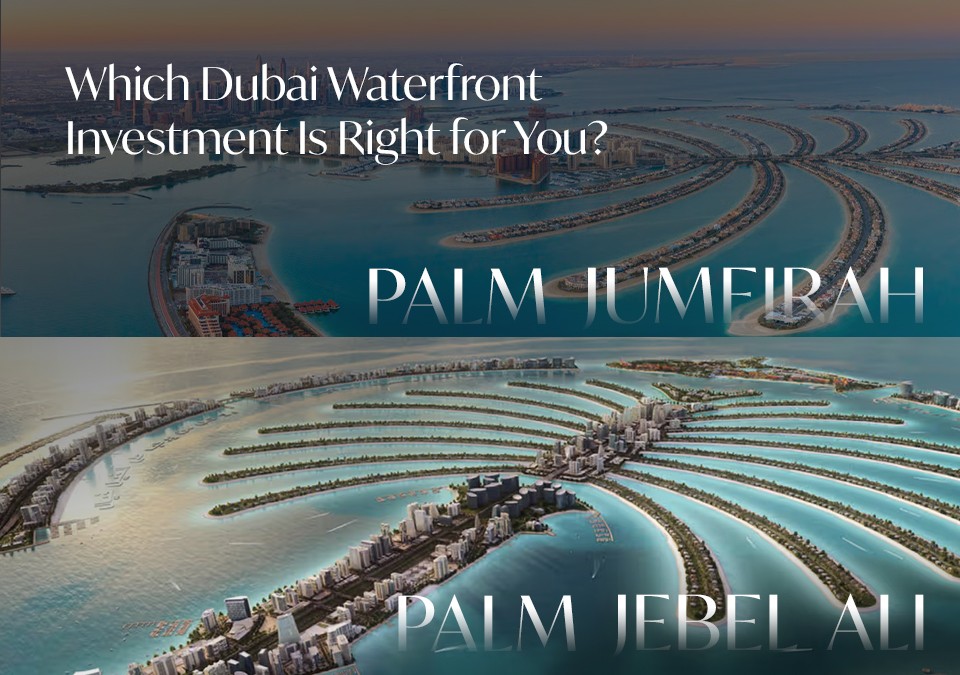
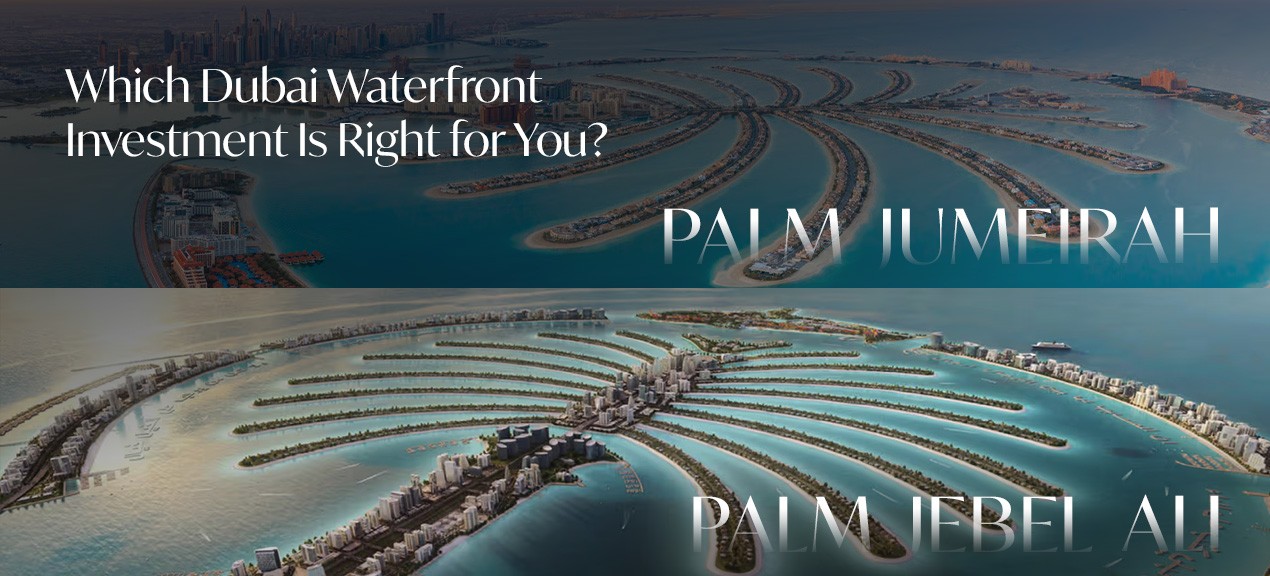
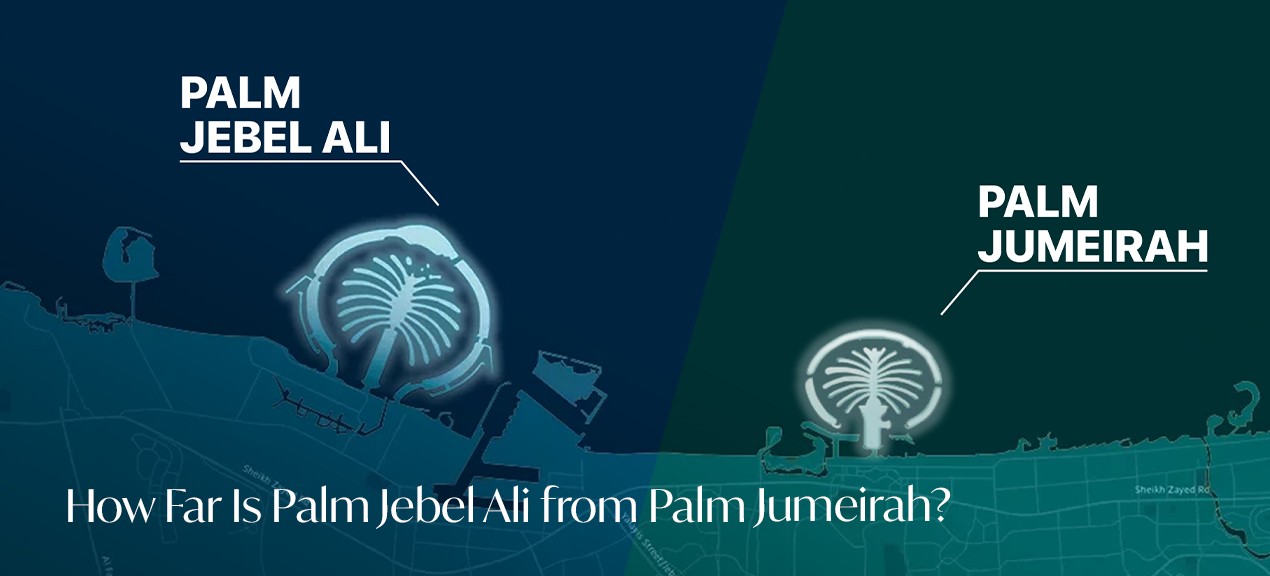
Dubai’s real estate geography is expanding again. The relaunch of Palm Jebel Ali, along with the addition of 13.4 km of new shoreline, is set to redefine waterfront living. Meanwhile, Expo Valley, part of the larger Expo City ecosystem, will deliver 532 units in its first phase, with handovers starting in early 2026.

These projects symbolize Dubai’s next growth frontier, drawing attention from both local and international investors. With Expo City now positioning itself as a sustainable innovation hub, the area is becoming a magnet for European and global investors looking for long-term value.

Sustainability and ESG: The Next Competitive Edge

As global priorities shift, sustainability is no longer optional; it’s a differentiator. Buyers are increasingly factoring in energy efficiency, green building certifications, and ESG credentials when evaluating property options.

Developers that integrate sustainability into their design and delivery processes are building not just for today’s market, but for future resilience. This aligns with Dubai’s vision for Net Zero 2050, where environmentally responsible development supports the city’s broader economic and environmental goals.

What Investors Should Focus On in 2025–2026

To navigate the evolving landscape, investors should prioritize:

  1. Location quality – Properties near infrastructure, schools, and transportation hubs tend to outperform over time.
  2. Developer reputation – Choose established names with proven delivery records and financial discipline.
  3. Sustainability factors – Green features reduce long-term costs and enhance asset value.
  4. Market timing and handovers – Staggered project timelines help manage supply risk.
  5. Rental demand – Target areas with strong occupancy and stable tenant bases.

Dubai’s real estate market is not slowing; it’s evolving. The era ahead will reward strategic, informed investors who understand that the city’s strength lies in its adaptability, innovation, and consistent global appeal.

Conclusion: The Future of Dubai Real Estate

As Dubai prepares for an influx of new homes and growing tourism numbers, one trend is clear: quality, sustainability, and location will define the winners in 2025 and beyond.

At Luxliving Real Estate, we believe that every buyer and investor deserves access to accurate insights and data-driven advice. Whether you’re a first-time buyer, a seasoned investor, or exploring Dubai’s market for the first time, the opportunities remain abundant, but success depends on informed choices.
Stay ahead of the market. Read more of our expert insights and analysis on our blog, and visit our website to explore the latest properties and investment opportunities shaping Dubai’s real estate landscape.