
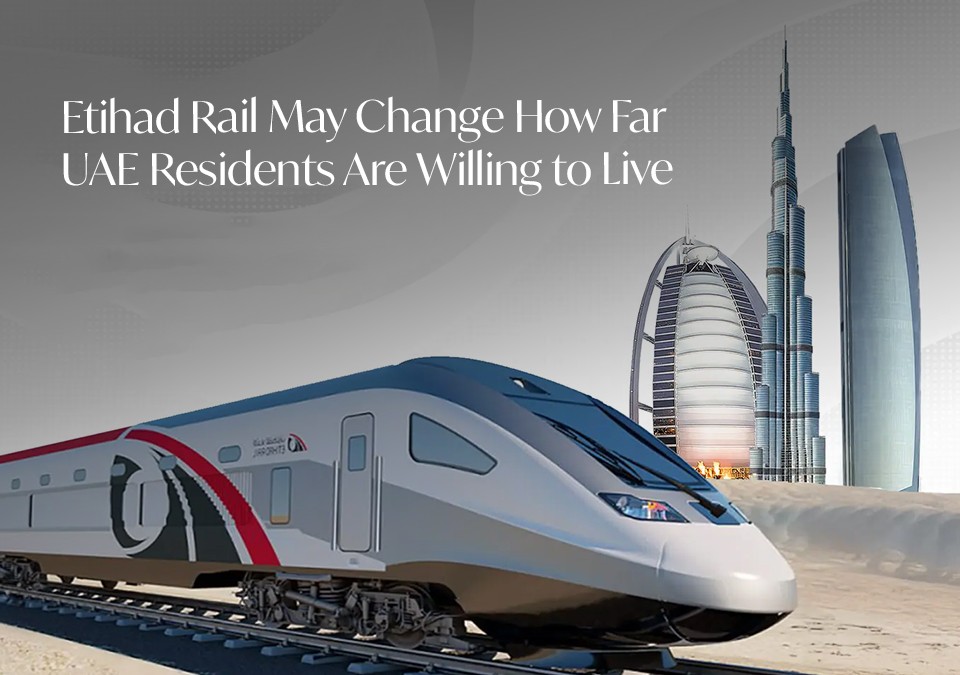
For many years, individuals in the UAE have been greatly influenced by their daily commute when choosing housing. Due to clogged roads, long traffic jams, and unpredictable travel times, people are often compelled to remain near their workplaces, limiting their housing and lifestyle options. However, a new era of transportation is about to begin.
In addition to potentially reshaping the country’s housing patterns and enabling residents to live farther from their workplaces without sacrificing comfort, Etihad Rail’s soon-to-be-operational passenger services might significantly change how people travel across the United Arab Emirates.
How Etihad Rail Improves Commuting?
Etihad Rail will provide a substitute for driving, connecting 11 cities and areas across the United Arab Emirates. Longer commutes are made possible by predictable travel times, which may increase demand in emirates outside of Dubai’s typical commuter belt, such as Ajman, Umm Al Quwain, Ras Al Khaimah, and Fujairah.
“A reliable rail commute turns these emirates into daily commuter markets for Dubai, Abu Dhabi, and Sharjah employment,” says Zacky Sajjad, Director of Business Development at Cavendish Maxwell.
By removing the uncertainty of traffic delays, rail shifts commuting from a stressful experience to a predictable routine, making areas farther from Dubai more attractive to residents.
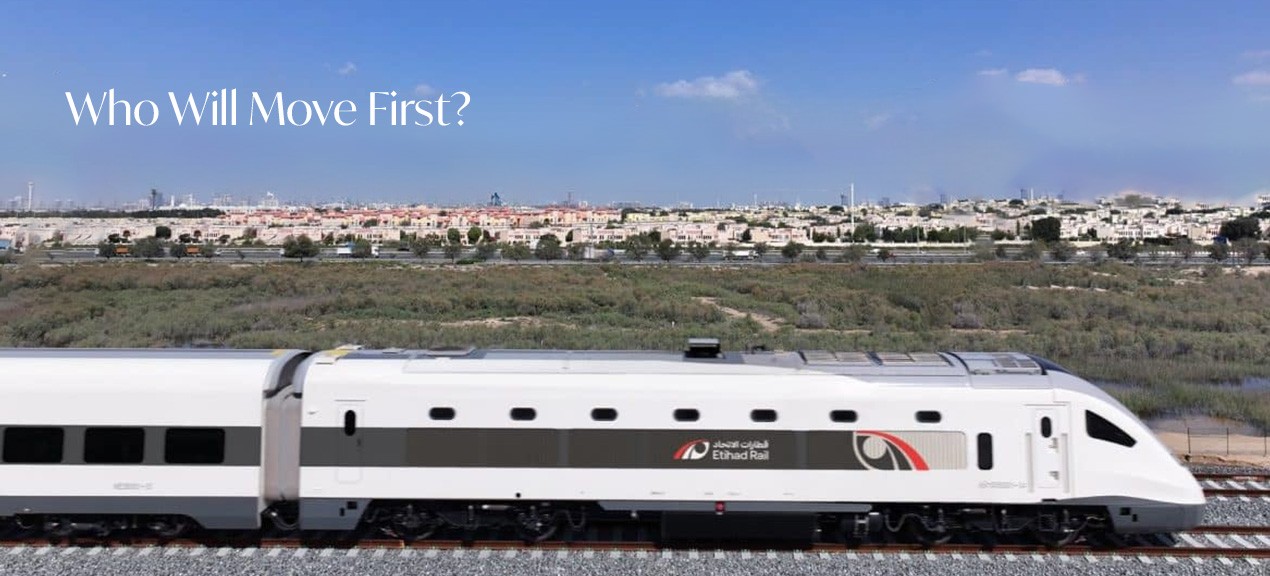
Who Will Move First?
The first people likely to relocate will be mid-income families looking for bigger homes, better schools, and more affordable options, rather than luxury buyers. Professionals who only go to the office a few days a week may also look forward to rail commuting. Workforce housing could benefit too, especially if companies and landlords work together to arrange transportation.
Once renters settle in, investors typically follow, capitalizing on growing property values as commuter patterns emerge.
Early Impact on Property Markets
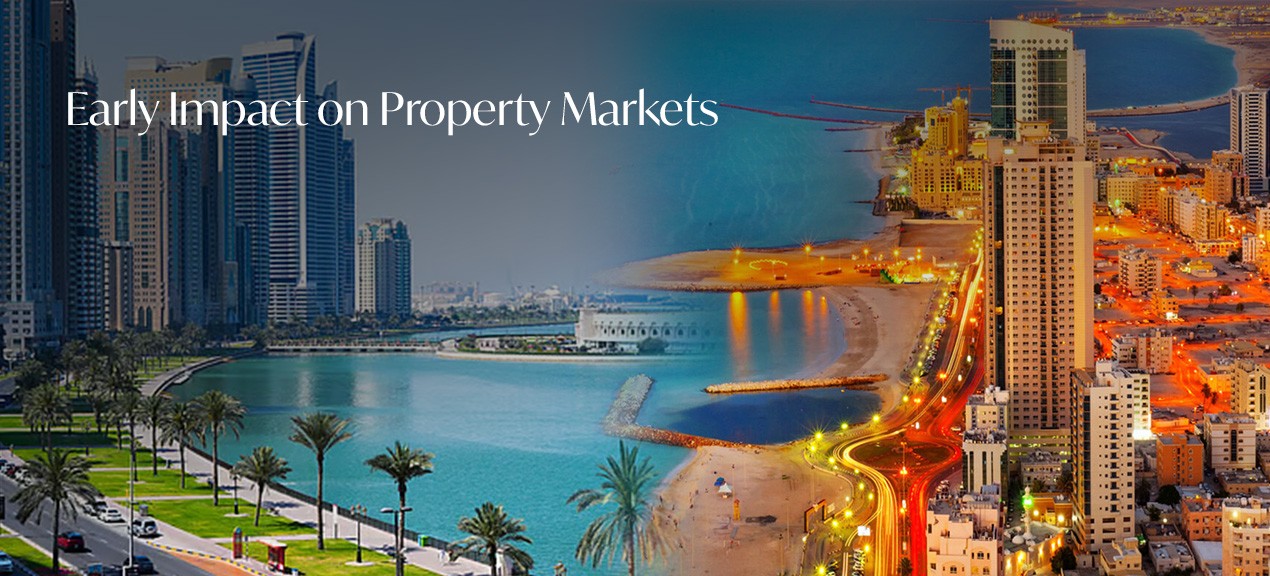
Even before passenger services begin, the Northern Emirates are already seeing growing interest:
- Sharjah: Villa prices in Sharjah Garden City went up by more than 20%, and apartment prices in Al Nahda went up by 21%.
- Ajman: The cost of villas in Al Rawda jumped by more than 24%, with specific rental yields exceeding 9%, while the price of apartments in Ajman Downtown rose by 32%.
By offering reliable, stress-free commuting, Etihad Rail might hasten the trend toward larger, value-driven houses.
Developers Reconsidering the Commuter Belt
Etihad Rail is urging developers to reevaluate urban planning. In neighborhoods close to stations, higher-density, commuter-friendly layouts with smaller units and integrated transportation links are expected.
“A fast, reliable rail link connecting 11 cities redefines the commuter belt,” says Fawaz Sous, CEO of OCTA Properties.
Coordinating with transportation authorities, making sure stations are accessible, and setting up last-mile connections like park-and-ride lots, drop-off zones, and shuttle buses are all necessary to capture value.
National Connectivity & Property Opportunities
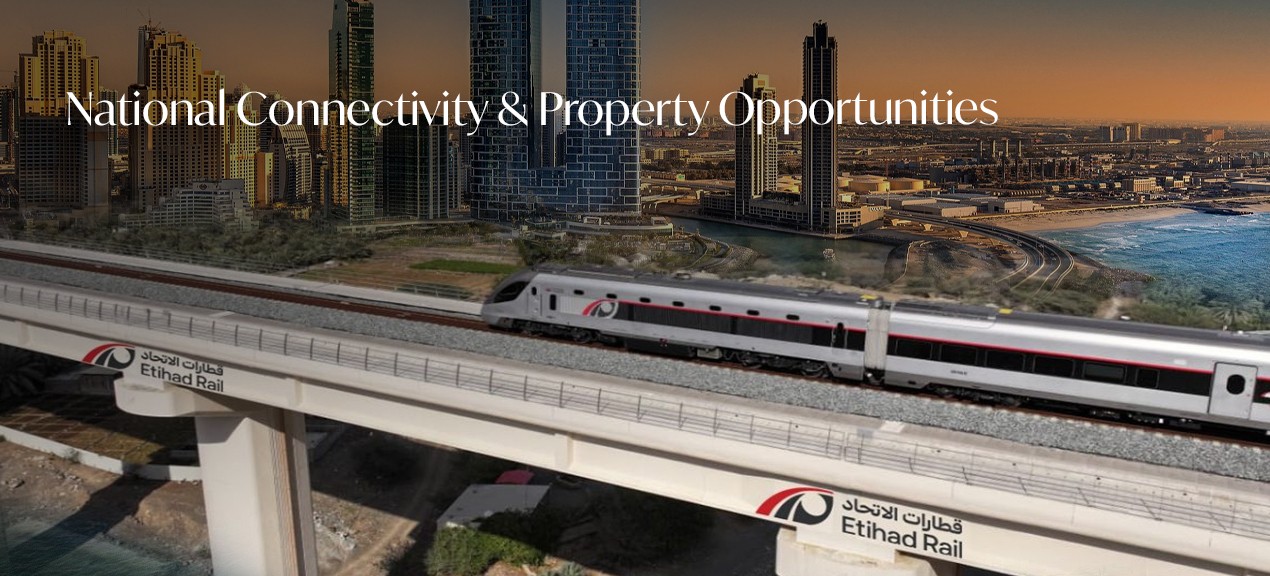
Etihad Rail connects several emirates and increases labor catchments on an interstate scale, in contrast to city-focused systems like the Dubai Metro. Rental markets may be the first to be impacted by this nationwide reach, followed by long-term capital value growth.
According to Zhou Yuan, Operations Director of Tomorrow World, “communities with easy station access and good last-mile connectivity will benefit the most.”
Residents may also consider moving to the northern emirates, narrowing rent gaps with Dubai and expanding affordable housing opportunities for price-sensitive residents.
What Can Be Expected by Residents?
Etihad Rail is going to provide:
- Power outlets and Wi-Fi aboard trains
- Regular routines lessen the stress of commuting
- Phase one stations are located in Abu Dhabi, Dubai, Sharjah, and Fujairah; further locations will be added over time.
With these services, commuting becomes not just a choice but also a sensible way of life, creating new opportunities for investors, professionals, and families.
Overall, the Etihad Rail will transform living and transportation in the United Arab Emirates, making it more than just a transportation project. By making longer trips more predictable and stress-free, the national rail network may boost demand in the Northern Emirates, expand Dubai’s commuter belt, and create new real estate investment opportunities. Investors, hybrid professionals, and families seeking larger homes may all profit if commute patterns shift.
To explore properties in Dubai and discover the best investment opportunities, visit this website today!