The UAE real estate market in 2026 is showing signs of slowing down, as some buyers pause buying property in Dubai, amid regional uncertainties. But this brief slowdown doesn’t mean the Dubai real estate market is weak.
So, is it a good time to buy property in Dubai?
Yes, the Dubai real estate market is still active, rental yields are high, and luxury properties in Dubai continue to be strong. The UAE is still a secure and lucrative area to invest because of its track record of recovering from previous crises. In this blog, let’s understand the current situation of the Dubai real estate market, what to expect in the upcoming months, and why this is the ideal time to buy real estate in the UAE.
Current Status in the UAE Real Estate Market in 2026
Instead of panicking, investors are being cautious. The Dubai real estate market is still strong but is modestly slowing as buyers take a wait-and-watch approach before buying a property in Dubai.
Here are some facts which buyers can analyse before investing in Dubai real estate:
- Slower Transactions: As buyers look for clarification, closures are taking longer.
- Careful Negotiations: Buyers are negotiating more pricing and payment plans.
- Stability of Luxury Property: Places like Business Bay, Palm Jumeirah, and Downtown Dubai continue to be strong.
- Strong Rental Market: Tenants and investors are still drawn to rental yields of 6–9%.
According to a recent Khaleej Times report from March 2026, real estate in the UAE is defying regional tensions. A property sale worth over $100 million was recorded in Dubai, indicating that investor demand is still high. With more than AED 30 billion in available liquidity, developers such as Aldar Properties have assured continuous operations.
While some foreign purchasers have chosen to wait and see, brokers on the ground observe that ongoing transactions are proceeding as usual, and developers are keeping launch pricing the same while providing more flexible payment options to maintain investor trust.
What to Expect from UAE Real Estate in 2026?
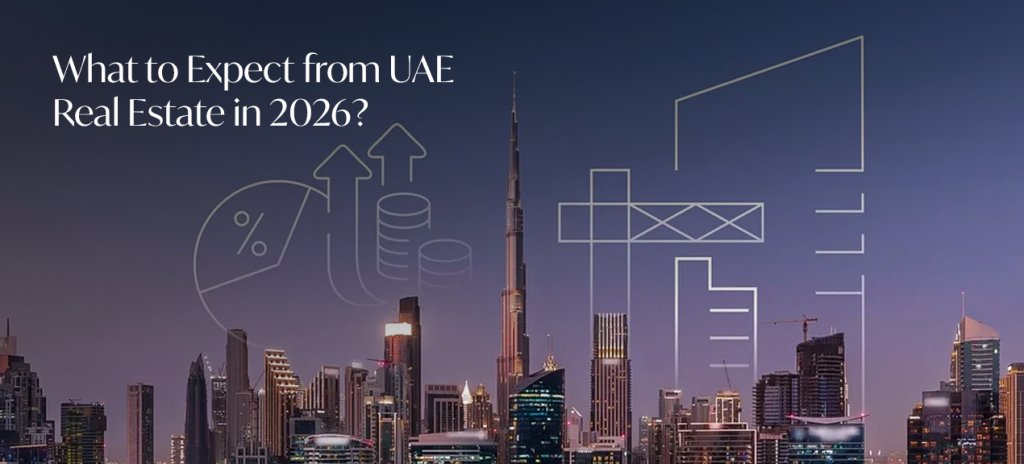
The UAE real estate experts suggest that there might be normalization in properties rather than a decrease, even with short-term caution. Here are the price and market trends that investors can expect:
- Price Adjustments: Small adjustments of 5–15% may be made to mid-market homes.
- Change in Negotiating Power: Sellers may give 3–7% discounts; buyers have more leverage.
- Developer incentives include fee support, service charge waivers, and post-handover payment options.
Property Type Outlook
- Off-Plan Properties: Due to their flexible payment options, bookings and reservations may be a little slower.
- Ready Properties: More negotiating and longer days in the Dubai real estate market.
- Luxury Assets: Due to their high demand and restricted supply, they are limited.
- Mid-Range Housing: Due to supply pressures, this sector is most impacted by short-term moderation.
How Has the UAE Recovered From Past Market Crises?
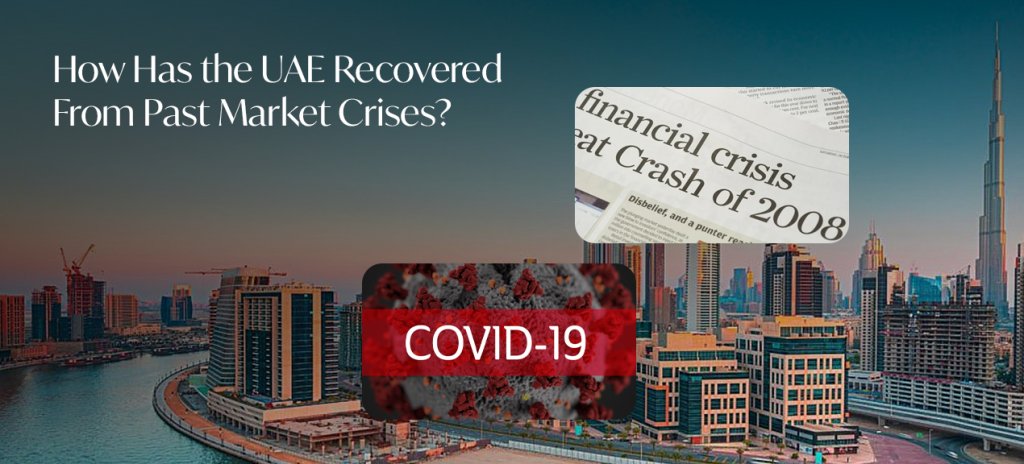
The Dubai property market has a track record of recovering and bouncing back stronger:
- 2008 Financial Crisis: Strong growth for long-term investors followed a temporary downturn.
- COVID-19 Pandemic: The Dubai real estate market was disrupted, but as clarity restored, it soon recovered.
Here are some of the important factors that influence resilience:
- The Dubai population is growing to around 4 million people.
- Strong foreign investment and business-friendly regulations
- Diversification of the economy outside of oil
- Long-term, strategic infrastructure development.
Overall, the Dubai real estate market doesn’t just recover; it grows stronger after every challenge it faces.
Why Now Is the Right Time to Invest in Dubai Real Estate?
Temporary real estate market moderation can benefit strategic investors because of the following reasons:
- Prime Locations Hold Value: Luxurious and strategically located properties are still in high demand.
- Flexible Payment Options: Investments in off-plan projects don’t require instant, full capital.
- Attractive Rental Yields: During uncertain times, cash flow is provided by 6–9% yields.
- Timing Advantage: Opportunities arise from temporary price adjustments and less resistance to negotiations.
Investors who focus on quality properties, strategic locations, and long-term value are best positioned to benefit from the current market environment.
Conclusion: Why Invest in Dubai Real Estate
The big question is, is it the right time to invest in the Dubai real estate market considering the ongoing uncertainties?
The answer is yes. The fundamentals of the UAE real estate market remain strong, although some buyers are cautious and some segments may temporarily moderate
The UAE has consistently shown that it can withstand shocks from around the world and recover stronger, providing investors with:
- Safety and stability
- Opportunities for attractive rental revenue
- Long-term growth in capital
Overall, this is a great opportunity to invest in real estate in the UAE and benefit from long-term growth. If you’re looking to explore and buy properties for sale in Dubai, visit Luxliving and get in touch with the top real estate agents.
FAQs
1. Is now a good time to buy a property in the UAE?
Yes, many experts say 2026 can be a good time for long-term investors to buy property in the UAE. The market is supported by strong demand, population growth, and rental returns of 6-7%.
2. What is the 2% rule for properties?
According to the 2% rule, for a property to have strong cash flow, the monthly rent should be around 2% of the purchase price. Its primary purpose is to compare investment properties quickly.
3. What is the rule of 7 in real estate?
According to the Rule of 7, a property’s value may double in seven to ten years if it increases by roughly 7% a year. It is used by investors to project long-term growth.
4. Why is it now the best time to invest in real estate?
Dubai real estate offers stable income, long-term price growth, and protection against inflation. When markets slow slightly, buyers may also get better prices and negotiation opportunities.